

EN
Get In Touch

A dual-fuel supply system is a marine fuel system that allows ships to operate with two different fuels, usually a conventional fuel and an alternative fuel. Modern dual fuel engines can switch between fuels or use them in combination, depending on engine design and operating conditions.
Today, the most common marine dual-fuel combinations include:
Compared to heavy fuel oil systems, dual-fuel technology can reduce carbon emissions, improve energy efficiency, lower greenhouse gas emissions, and help shipowners comply with international environmental regulations.
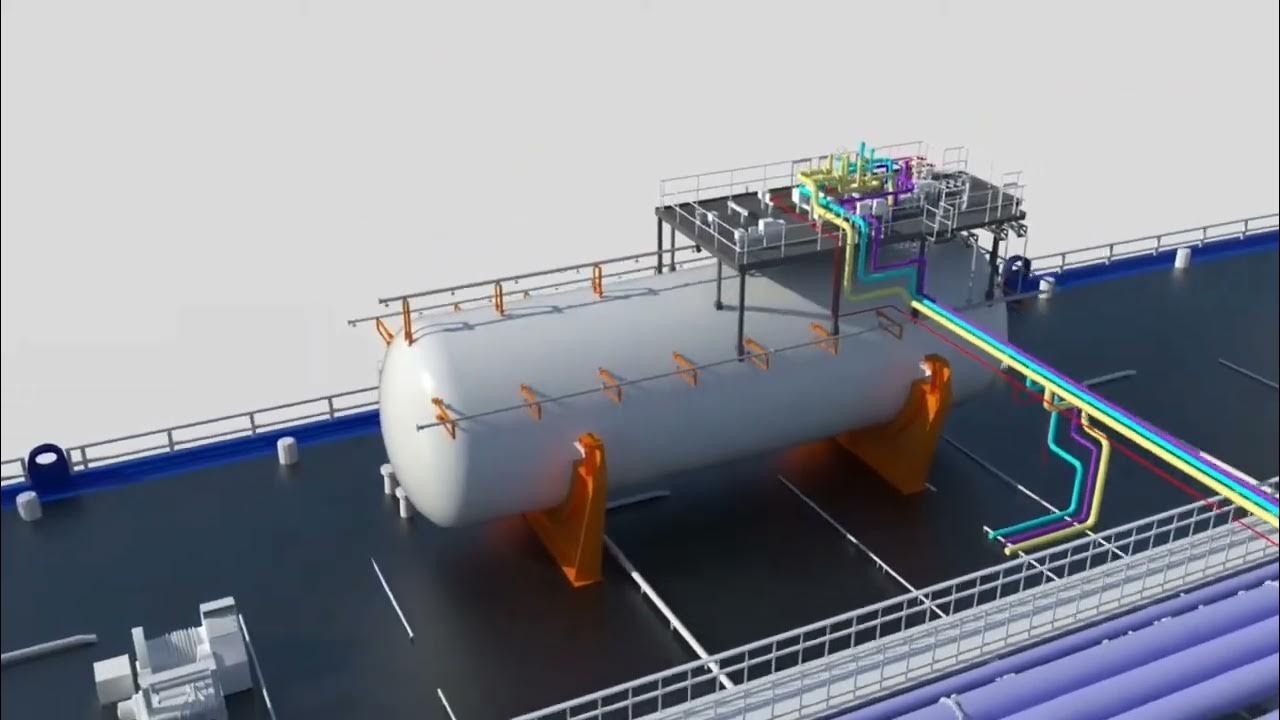
A fuel supply system is a combination of tanks, pumps, pipes, valves, sensors, heat exchangers, control units, and safety equipment designed to store, condition, and deliver fuel to a ship's engines.
A dual fuel system expands this concept by allowing a vessel to use two different fuels through one integrated fuel management platform.
For example, a ship may use liquefied natural gas (LNG) as its primary fuel during normal operations and automatically switch to marine diesel when LNG is unavailable.
The main purpose of a dual-fuel system is to provide:
As more shipping companies adopt alternative fuels, dual-fuel technology is becoming a common solution for new vessel construction.
Traditional marine fuels such as heavy fuel oil have powered ships for decades. However, environmental regulations are changing rapidly.
Several factors are accelerating the transition toward dual-fuel technology.
The shipping industry is under pressure to reduce carbon emissions.
Alternative fuels such as LNG, methanol, ammonia, and hydrogen produce lower carbon output than conventional fuels.
In some cases, carbon reductions can exceed 20% compared with traditional marine fuels.
Reducing greenhouse gas emissions is one of the main goals of modern shipping regulations.
Different fuels offer different environmental benefits.
| Fuel | Carbon Reduction Potential |
|---|---|
| LNG | Moderate |
| Methanol | Moderate to High |
| Ammonia | Very High |
| Hydrogen | Near Zero Carbon at the Point of Use |
Fuel prices can fluctuate significantly.
A dual-fuel vessel can switch between fuels according to:
This flexibility helps shipowners optimize operating expenses.
Modern dual fuel engines use advanced combustion technology.
More efficient fuel combustion can improve energy efficiency while reducing fuel waste.
Many people ask, "How does the system work?"
Although LNG, methanol, ammonia, and hydrogen systems have different designs, the operating principle is similar.
The process usually follows these steps:
Fuel is stored inside a dedicated fuel tank.
The tank design depends on the fuel type.
Examples include:
Transfer pumps move fuel from the storage tank to the fuel conditioning unit.
The system continuously monitors:
Before fuel enters the engine, it often requires additional treatment.
Fuel conditioning may include:
Many systems use heat exchangers to maintain stable operating temperatures.
For LNG systems, heat exchangers convert cryogenic liquid into gas before it reaches the engine.
The conditioned fuel is delivered to the engine through insulated piping.
The fuel supply pressure must remain within the operating range required by the engine manufacturer.
Dual fuel engines can automatically switch between fuels.
Depending on the engine design, fuel combustion may involve:
The electronic control system continuously adjusts fuel delivery to maintain stable engine performance.
The fuel tank is one of the most important components in the system.
Tank design depends on fuel characteristics.
| Fuel | Typical Tank Design |
|---|---|
| LNG | Cryogenic insulated tank |
| Methanol | Double-wall storage tank |
| Ammonia | Refrigerated or pressurized tank |
| Hydrogen | Cryogenic or high-pressure tank |
Pumps move fuel from storage tanks to the fuel processing equipment.
Common pump types include:
Heat exchangers regulate fuel temperature.
They are especially important in LNG systems because liquefied natural gas must be vaporized before combustion.
Heat exchangers also protect downstream equipment from temperature fluctuations.
Fuel valves control fuel flow throughout the system.
Typical valves include:
Marine fuel piping systems transport fuel safely between components.
Depending on the fuel type, piping may require:
Modern fuel systems use automated monitoring systems to improve safety and performance.
Typical monitoring functions include:
LNG stands for liquefied natural gas.
Natural gas LNG systems store methane at extremely low temperatures, usually around -162°C.
The LNG process typically follows this sequence:
Benefits include:
Challenges include:
Methanol remains in liquid form under normal conditions.
Unlike LNG, methanol does not require cryogenic storage.
Fuel is transferred directly from the tank through filters, pumps, and pressure regulators before entering the engine.
Benefits include:
Challenges include:
Ammonia contains no carbon.
Because of this characteristic, it is considered one of the most promising future marine fuels.
However, ammonia is toxic and requires specialized handling systems.
Typical ammonia systems include:
Benefits include:
Challenges include:
Hydrogen can be stored as either:
Both methods require specialized equipment.
Liquid hydrogen must be stored at approximately -253°C, making it one of the most technically demanding marine fuels.
Benefits include:
Challenges include:
| Feature | Dual-Fuel Systems | Heavy Fuel Oil Systems |
|---|---|---|
| Carbon emissions | Lower | Higher |
| Greenhouse gas emissions | Lower | Higher |
| Fuel flexibility | High | Low |
| Initial investment | Higher | Lower |
| Environmental compliance | Easier | More difficult |
| Operating efficiency | Higher in many applications | Lower |
Compared to heavy fuel oil systems, dual-fuel technology offers greater flexibility and lower environmental impact.
However, shipowners must balance the additional investment against long-term fuel savings and regulatory requirements.
When choosing a marine fuel system, shipowners should evaluate several factors.
Different vessels have different operating requirements.
Examples include:
Fuel availability varies by region.
Before selecting a fuel, shipowners should evaluate:
International regulations continue to evolve.
Future environmental requirements may influence fuel selection.
Initial investment is only one part of the decision.
Shipowners should also consider:
A dual-fuel supply system allows a vessel to use two different fuels through one integrated fuel management system. Most modern systems combine conventional marine fuel with alternative fuels such as LNG, methanol, ammonia, or hydrogen.
Dual fuel engines use electronic controls to manage fuel delivery. The engine can switch between fuels or combine them according to operating conditions and engine design.
Liquefied natural gas produces lower emissions than conventional marine fuels and is supported by a growing global bunkering network.
Both fuels require dedicated safety systems. Methanol is easier to store because it remains liquid at ambient temperatures, while LNG requires cryogenic storage.
Yes. Ammonia can power marine engines while producing no direct carbon emissions. However, its toxicity creates additional safety requirements.
Many experts believe hydrogen will become an important marine fuel because it produces no carbon during combustion. However, storage technology and infrastructure still need further development.
Energy efficiency depends on engine design, vessel type, fuel quality, and operating conditions. No single fuel is the best choice for every application.
The marine industry is entering a new era of fuel diversification.
LNG, methanol, ammonia, and hydrogen are reshaping the design of modern fuel supply systems.
As environmental regulations become stricter, dual-fuel technology offers a practical way to reduce emissions while maintaining operational flexibility.
Selecting the right solution requires a careful evaluation of fuel availability, vessel design, safety requirements, infrastructure, and long-term operating goals.