
EN
Get In Touch
Turnkey fuel gas supply engineering for LNG, Methanol, and Ammonia power systems—delivering pre-fabricated high-pressure piping, modular skid integration, and full classification approval for next-generation green vessels.
YADA and Everllence reached global strategic cooperation agreement based on dual fuel supply system for marine projects, which covers LNG, methanol, ammonia, hydrogen, etc., providing customers with the full life cycle services of basic design, detailed design, analysis & simulation, production design, manufacturing, installation and commissioning, operation and maintenance.
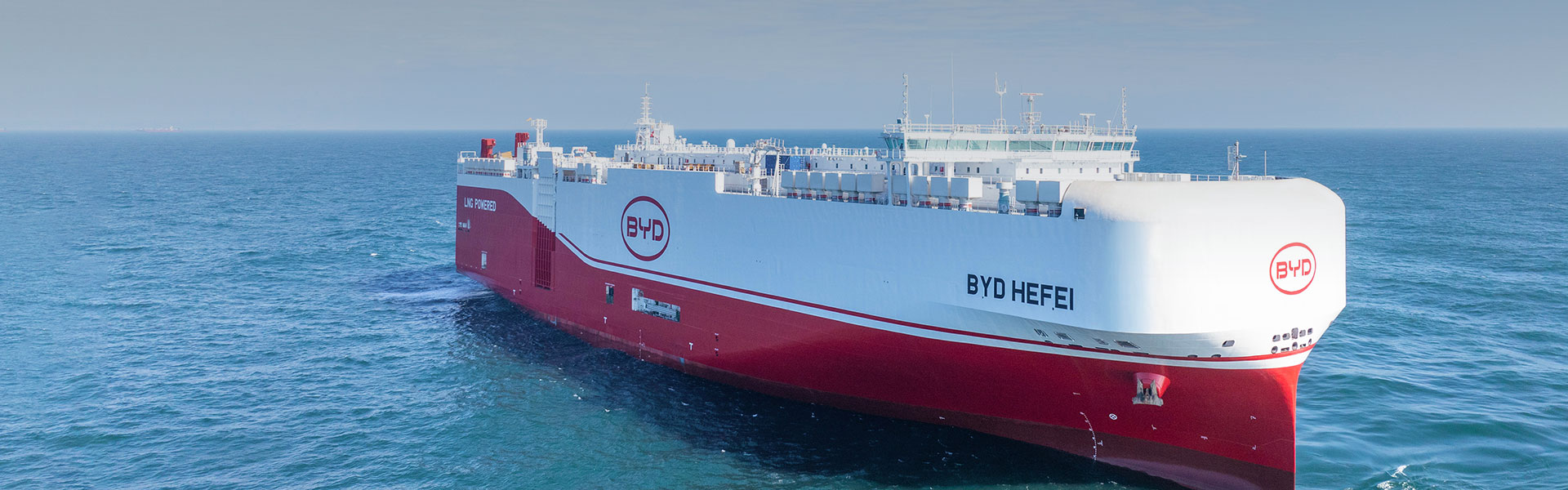
The "Everllence & YADA" cooperation pattern has been highly recognized by domestic and foreign shipowners, serving a series of LNG dual-fuel PCTC, methanol dual-fuel container ships and methanol dual-fuel transformation ships. "Everllence & YADA is committed to providing a full life-cycle solution for dual-fuel supply systems to enable shipyards, ship-owners and charterers to achieve win-win outcome for all parties!
Everllence & YADA boasts two major bases in Jiaxing, Zhejiang and Rudong, Jiangsu in China, covering an area of over 4 million square meters. It has a design team of more than 150 people and an annual delivery capacity of more than 72 sets of dual-fuel systems. Furthermore, with subsidiaries in Hamburg, Germany, and Singapore, it provides round-the-clock services at 120 maintenance ports worldwide, ensuring the smooth operation and lifecycle support of dual-fuel systems.
66
+24
120
+1,000,000
60,000
200
+YADA has established a long-term strategic partnership with Everllence, to provide customers with one-stop dual fuel supply solutions around the world. With the service mode of "Design by Everllence, manufacture by YADA", Everllence is responsible for PFD, P&lD design, global operation and maintenance services; and YADA is responsible for detail design, production design, components & fittings and prefabrication piping manufacture, skids integration and installation.
Everllence & YADA, together to ensure the smooth operation for all kinds of ships and offshore projects for global customers throughout the whole life cycle.
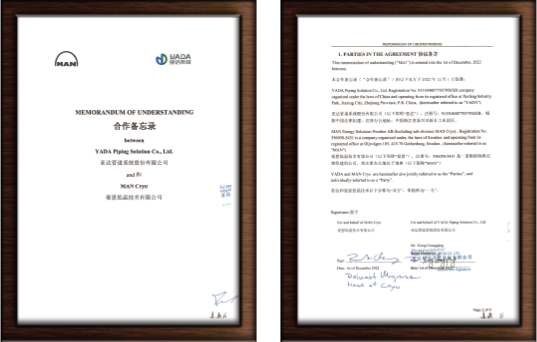
Dual Fuel System Cooperation Agreement
Everllence & YADA
Cooperation Statement
Everllence is responsible for dual fuel PFD P&ID design, with over 60 years of experiences in cryogenic applications and over 66dual fuel offshore projects in operation worldwide. Everllence has rich experiences with all major classification societies Everllence is responsible for the system principle design for each project, ensuring a high level automation system function-ality.
The professional workshop with an annual output of 72 sets of dual-fuel systems, providing strong production guaran tee for the dual-fuel supply system.
Professional inspection team equipped with complete inspection equipment and testing instruments execute the whole process of product quality control from quality planning, ITP review, final inspection application to data submission.
Our professional commissioning team has provided installation and commissioning services for over 66 sets of dual-fuel vessels such as car passenger ferries, platform supply vessels, ro-ro ships, PCTC, container ships, etc., accumulating rich commissioning experience and escorting the smooth delivery of customers' dual-fuel projects!
Everllence & YADA provides technical support for the full life cycle of the delivered equipment.
More than 120 port 24-hour online service outlets in the world, full life cycle service guarantee!
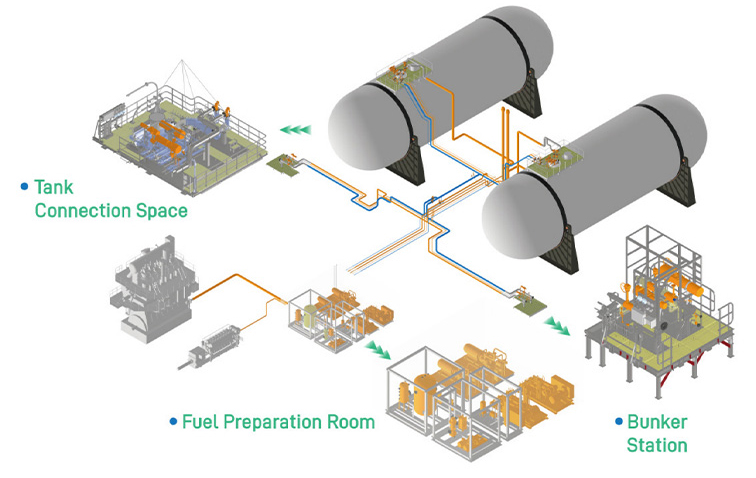
The fuel gas supply system (FGSS)’s main purpose is to supply fuel gas for gas consumers of the ship through receiving, storage and evaporation. FGSS consists mainly of the bunker station, LNG fuel gas storage tank, fuel preparation room(FPR), main engine and auxiliary engines. In this system, stored at cryogenic temperature about-163°C, LNG shall be processed into natural gas with appropriate pressure and temperature by evaporating and heating so as to meet the fuel requirements of main engine and generator.
The LNG BK unit is is connected to LNG fuel gas storage tank and an independent system equipment module used to control and handle the filling of LNG fuel. It shall be installed in the LNG bunker station and mainly used to operate, monitor and alarm various matters in the bunker process.
Fuel preparation room(FPR) is a space for fuel treatment, which is generally equipped with high-pressure pump unit, compressor unit, and vaporizer unit. Through a series of pressurization, vaporization and other processes, the liquid LNG is converted into fuel gas that can meet the inlet requirements of the main engine.
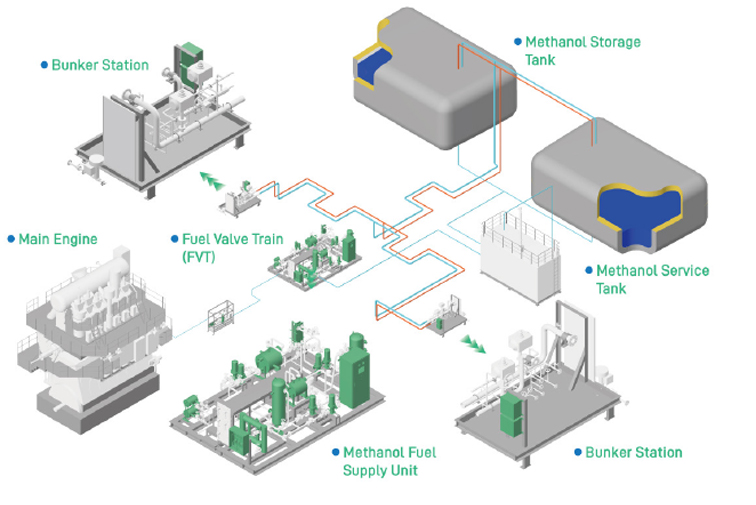
The methanol fuel supply system is a complete fuel supply system that transforms liquid methanol into fuel to meet the needs of engine burning through the process of pressurization and heat exchange, including the bunker system, methanol fuel storage tank and service tank, methanol fuel transfer system, methanol fuel supply system, methanol drain system and venting system, nitrogen system,etc.
The methanol bunker unit is an independent module used to control and handle the bunkering of methanol fuel. It shall be installed in the methanol bunker station and mainly used to operate, monitor and alarm various matters in the bunkering process.
Methanol fuel supply unit mainly consists of pump, filter, heat exchanger, and water/glycol system. The LFSS unit draw methanol fuel from the service tank and condition it by filtering, heat adjustment and pressure boosting and then deliver it to the fuel valve train (FVT) of main engine, to meet the fuel requirements of the main engine .
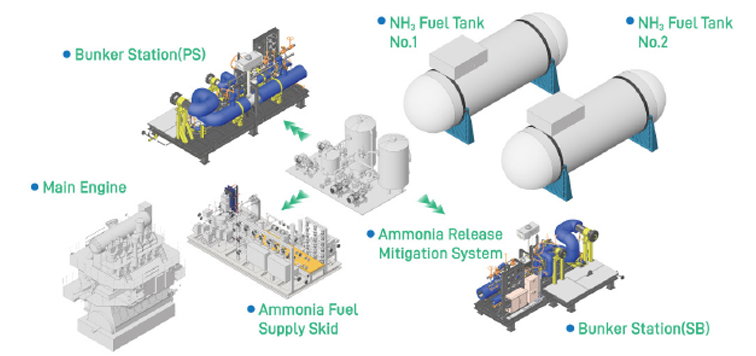
The ammonia fuel supply system (AFSS) processes liquid ammonia from the storage tank to meet the fuel requirements of the engine. It is a key system for ammonia-powered equipment and mainly includes liquid-phase injection and gas-phase injection. The liquid ammonia is transferred from the storage tank through low-pressure piping and filtered. For liquid-phase injection, a high-pressure pump increases the pressure to 70–85 bar and supplies the fuel directly to the main engine. For gas-phase injection, waste heat is used to vaporize the liquid ammonia. The ammonia gas is then heated, pressure-regulated and supplied to the engine.
The system is equipped with a fuel valve train (FVT) for safety isolation and an automatic control system for switching between diesel mode and ammonia-diesel dual-fuel mode. As ammonia is toxic and corrosive, the system also includes nitrogen purging, an ammonia treatment unit, leak detection and an ESD (Emergency Shutdown) system to prevent ammonia leakage.
The system is mainly used for ocean-going merchant ships, offshore vessels, coastal engineering vessels and land-based ammonia-fueled generator sets. It is designed according to the IGF Code and the requirements of major classification societies. It is a key system for reducing ship emissions and using green ammonia fuel.
YADA is advancing the R&D of marine hydrogen dual-fuel systems along two technology pathways: diesel engine hydrogen-diesel dual-fuel combustion and liquid hydrogen fuel cell hydrogen supply.
In collaboration with Everllence Cryo, YADA is conducting joint research and development efforts, focusing on four core technical challenges—liquid hydrogen cryogenic storage and transportation, hydrogen embrittlement protection, containment and explosion prevention, and modular integration—through a comprehensive forward-engineering development process.
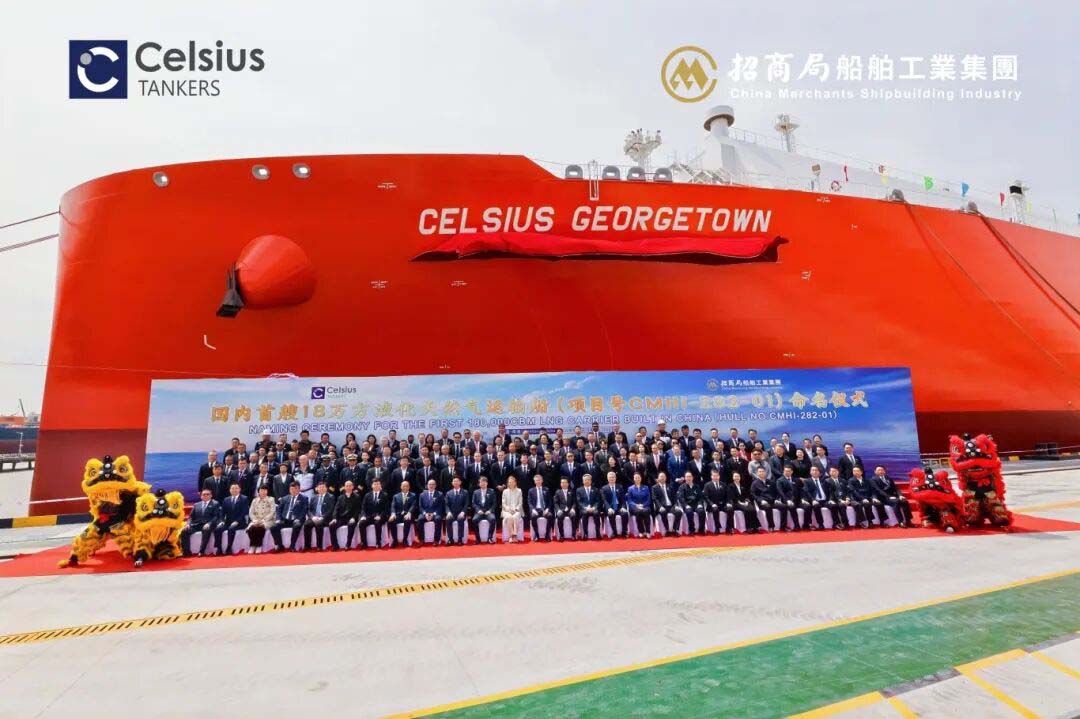
China Merchants Heavy Industry (Jiangsu) Co., Ltd. (CMHI)
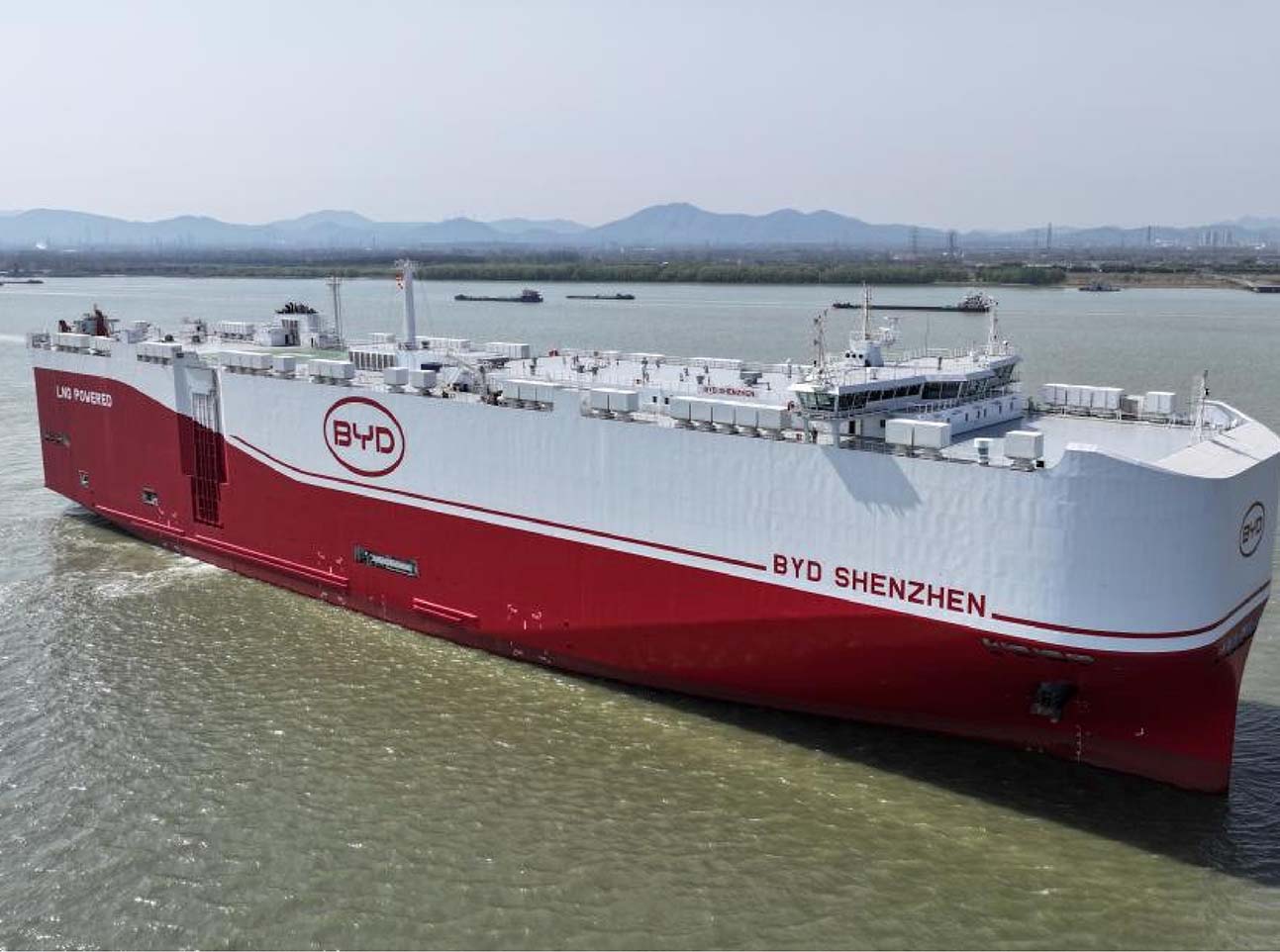
Jinling Shipyard – 9,200 CEU PCTC
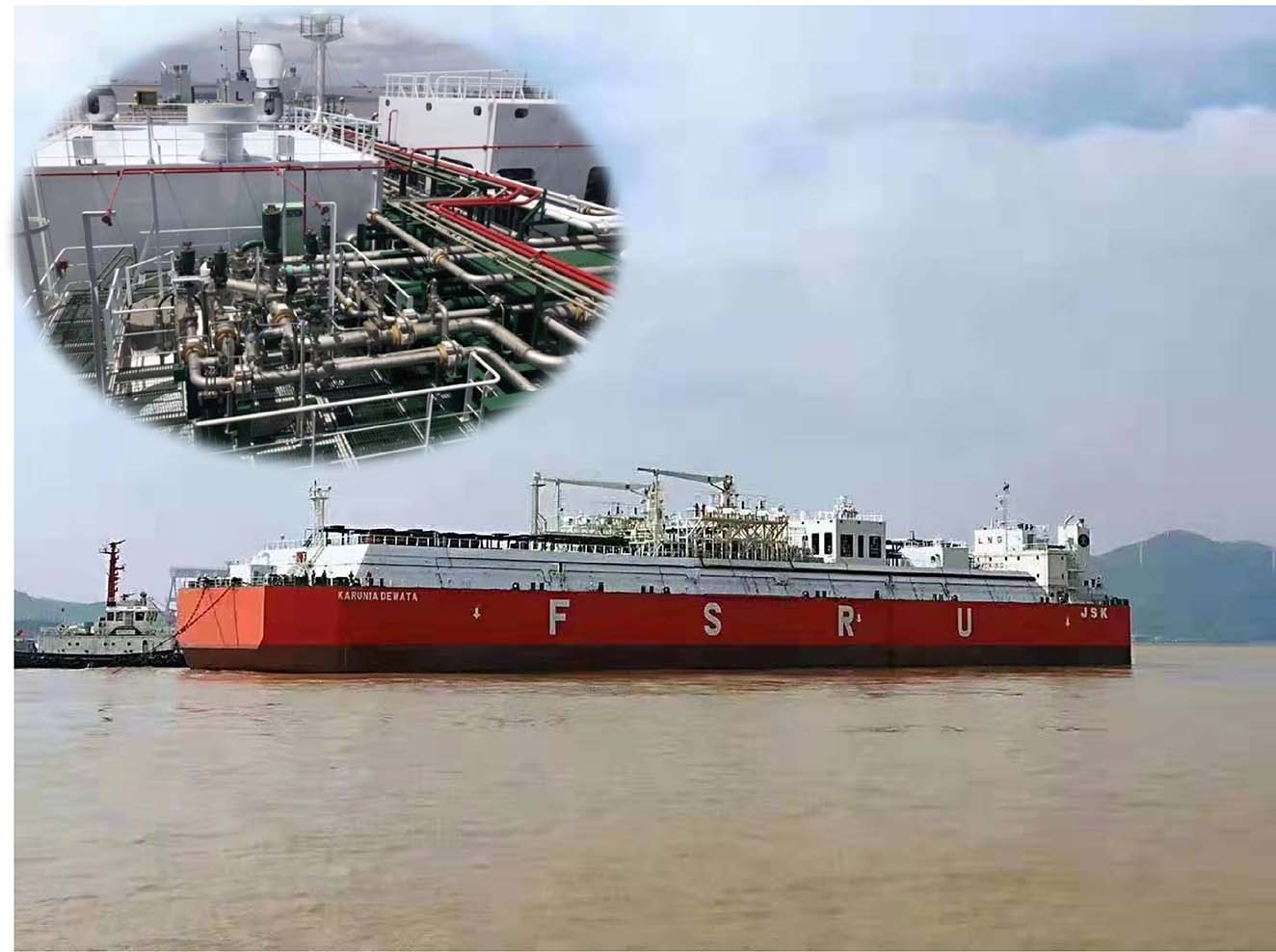
ZERO INVENTORY SERVICE PROVIDED TO FSRU OF PAXOCEAN
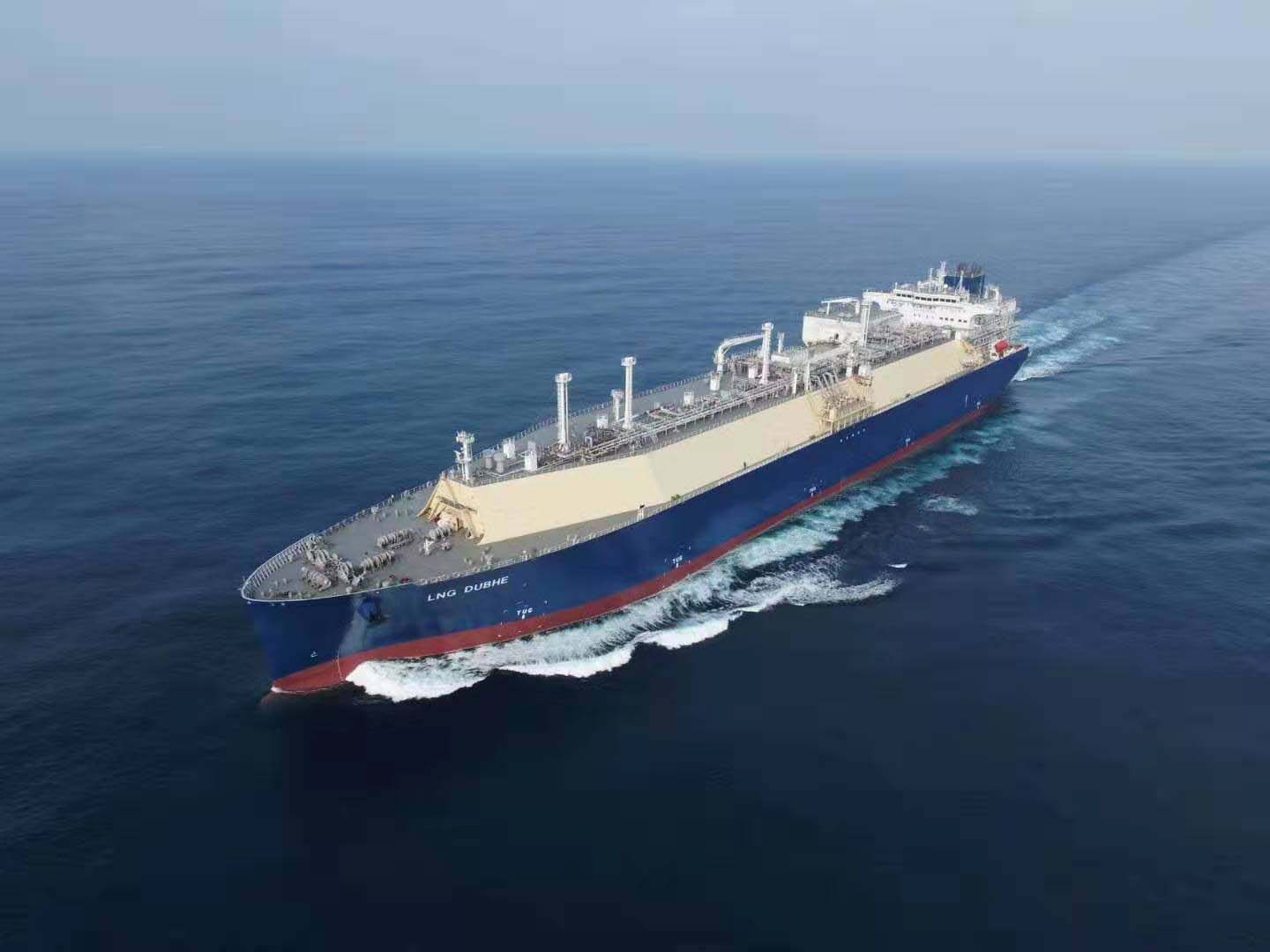
YADA provide pipe, pipe fitting, flange, piping spool, double wall pipe (including principle design , production, installation), pump tower, gas& liquid dome.
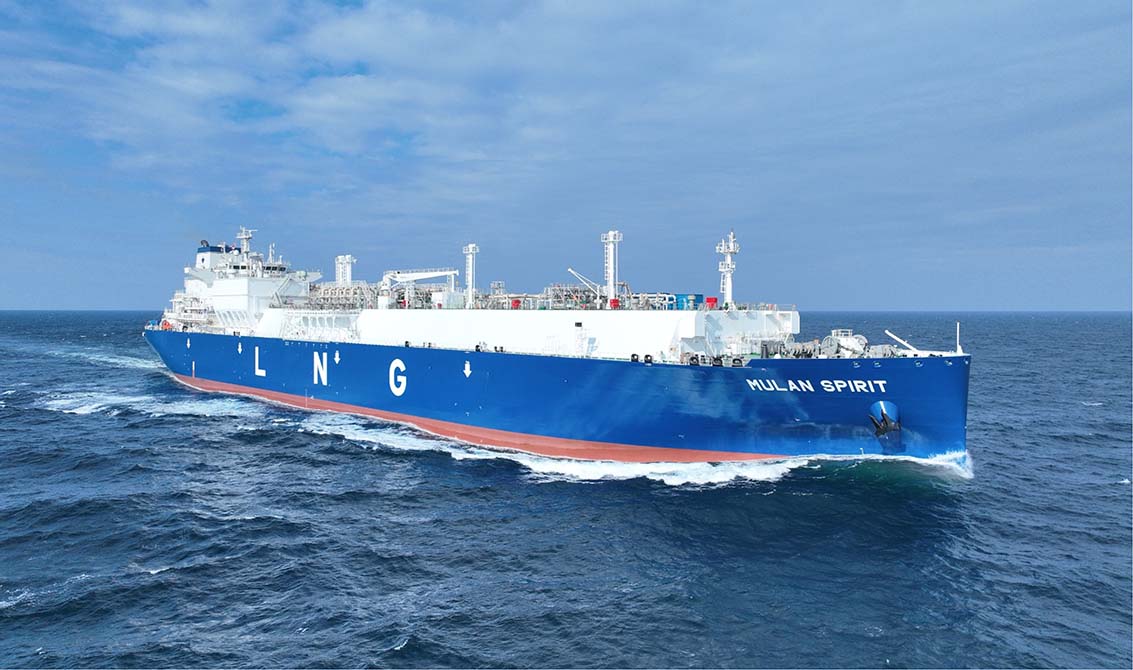
YADA Pump Tower & Mast-riser for 80K m³ LNG Carrier
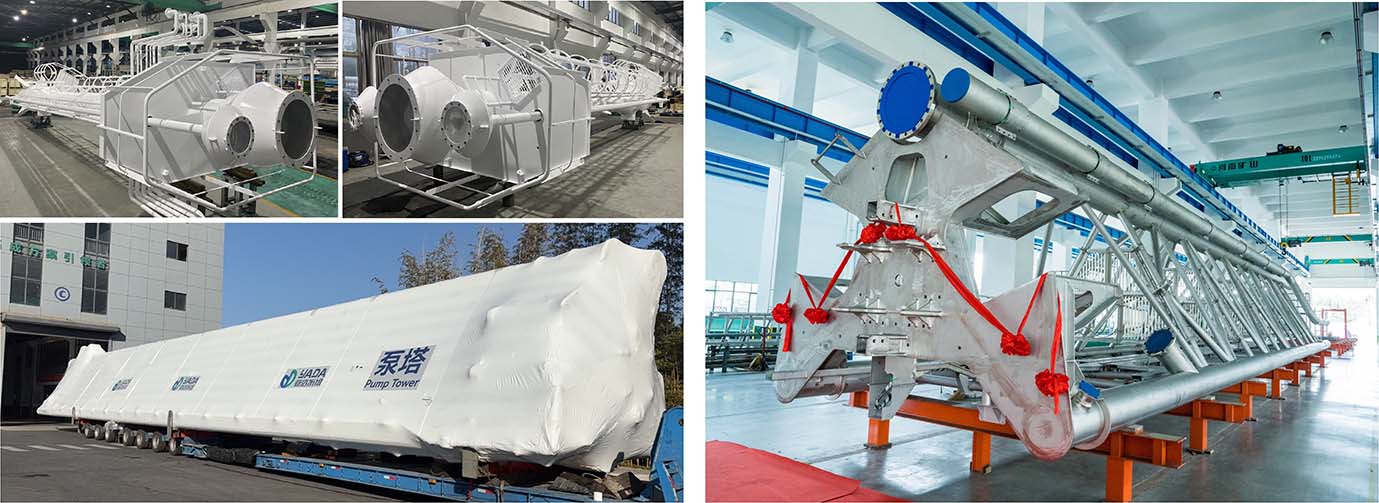
Mast-riser & Pump Tower for 80KLNGC&180K LNGC&23K TEU LNG powered vessel
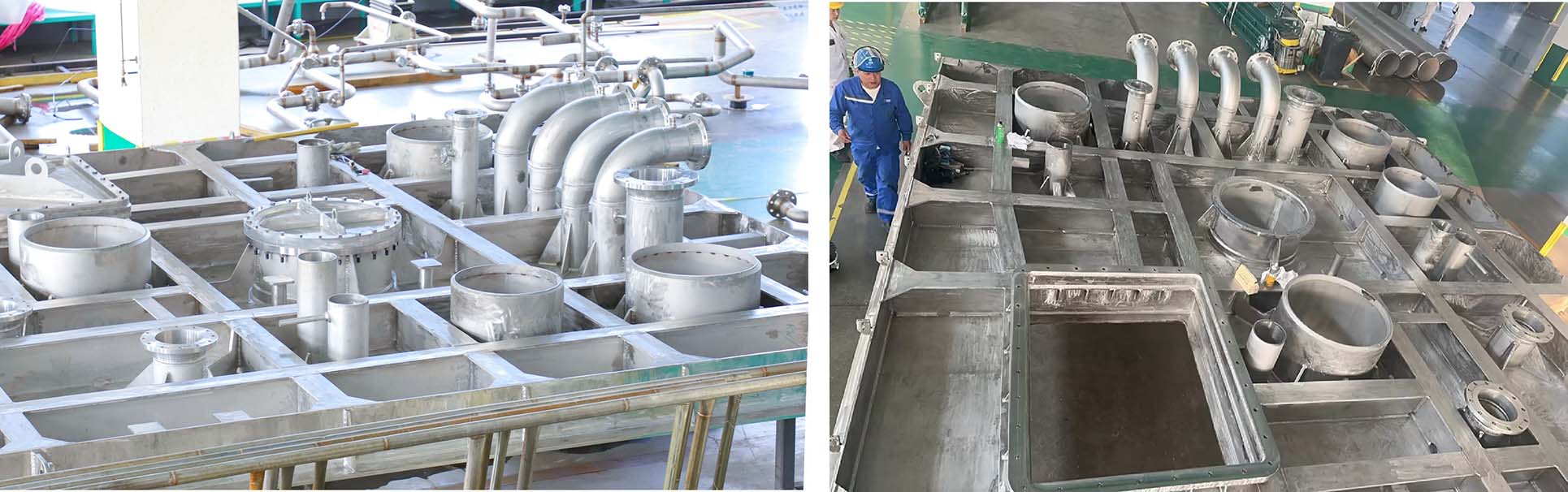
YADA made Dome Cover for MARK III LNG Tanker
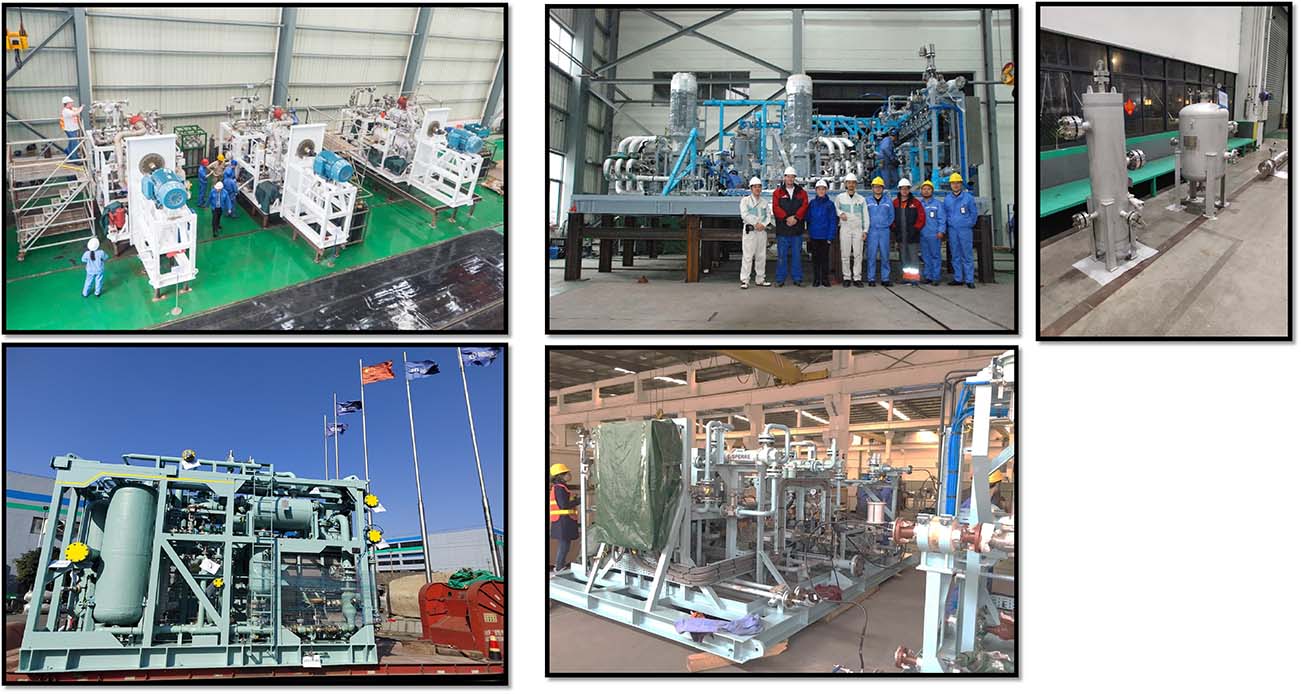
Ammonia &LNG skids solution
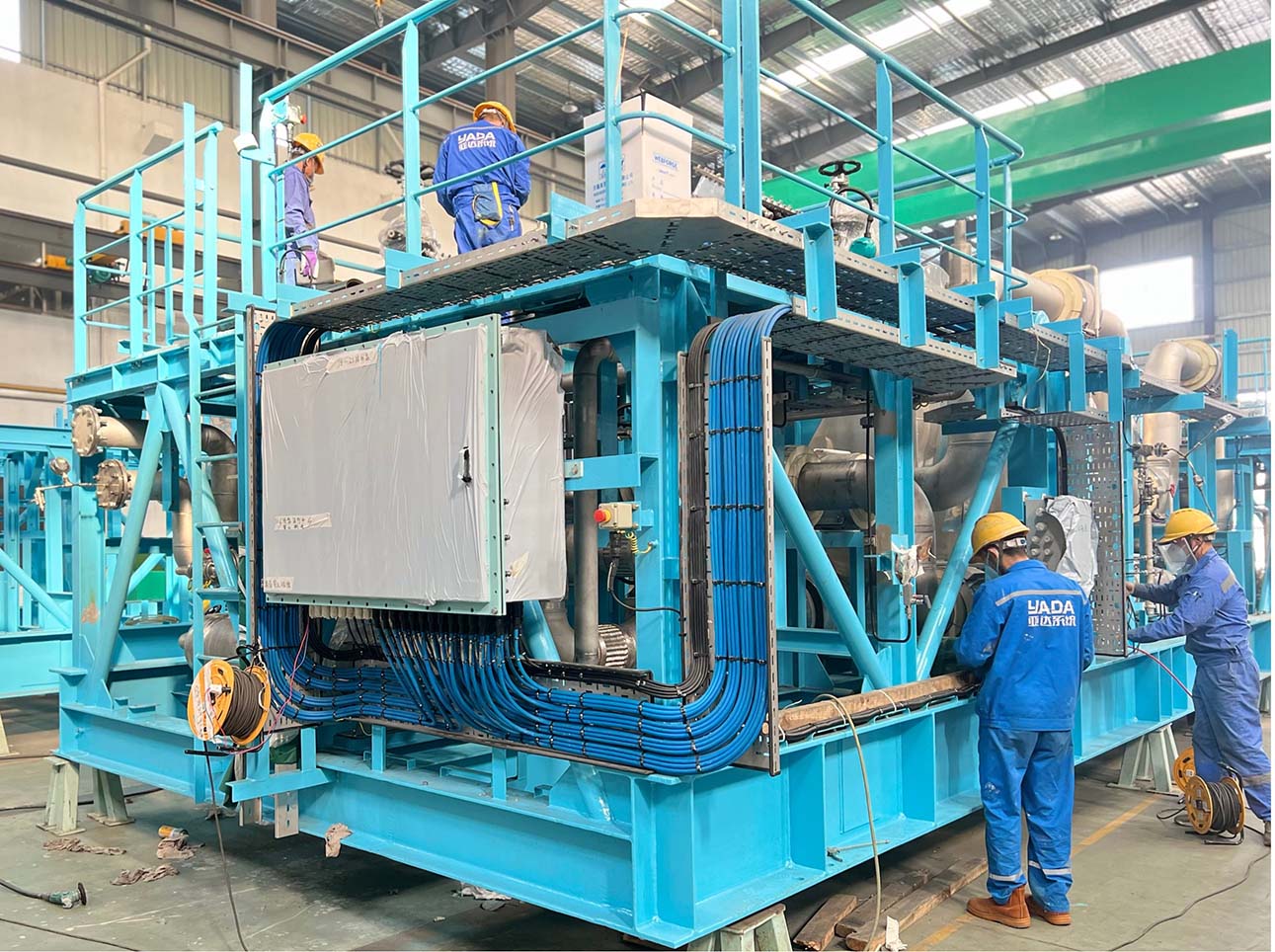
Re-liquefaction Skid for LNG Bunkering ship
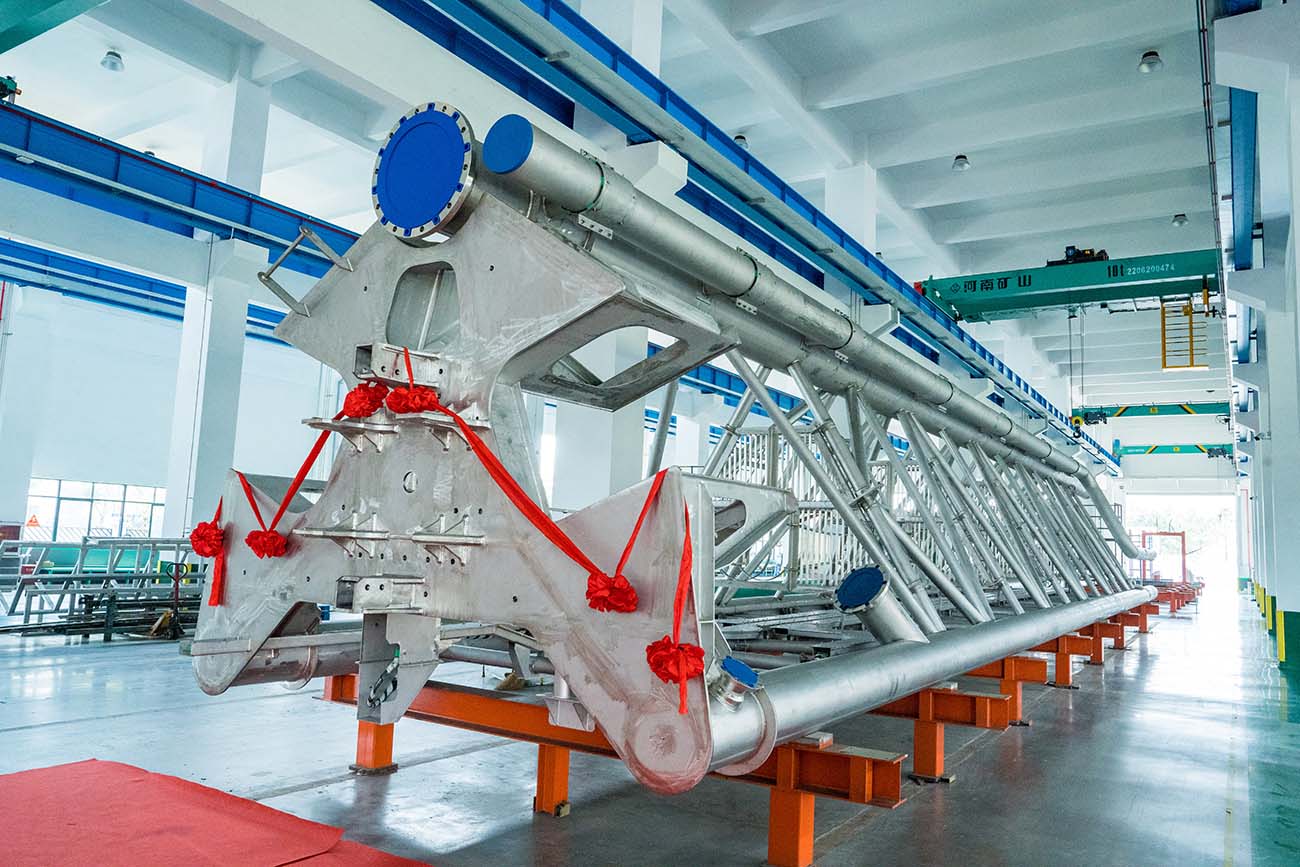
80,000 m³ Pump Tower Delivery Ceremony
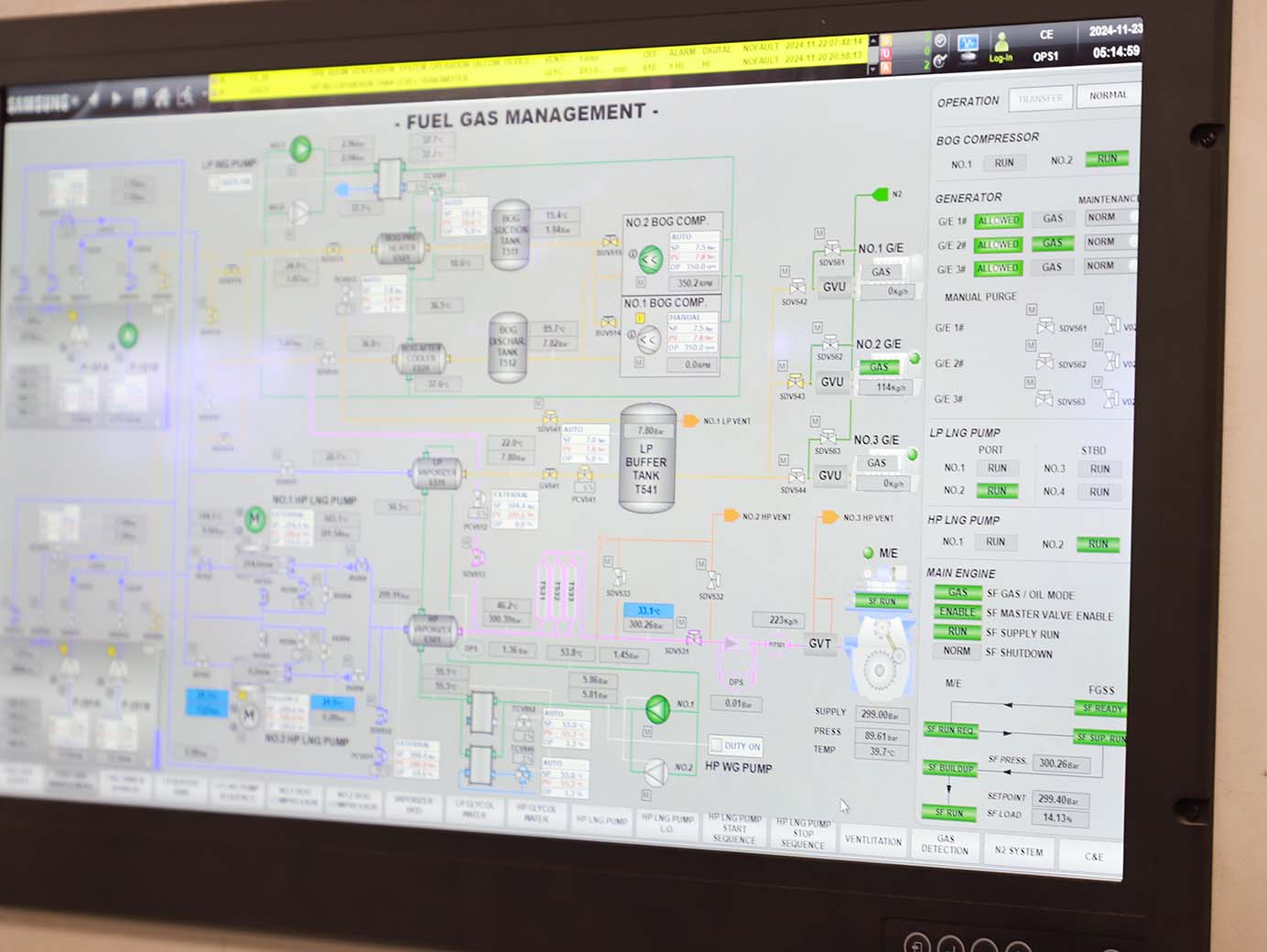
COSCO SHIPPING Specialized G3165 Dual-Fuel System
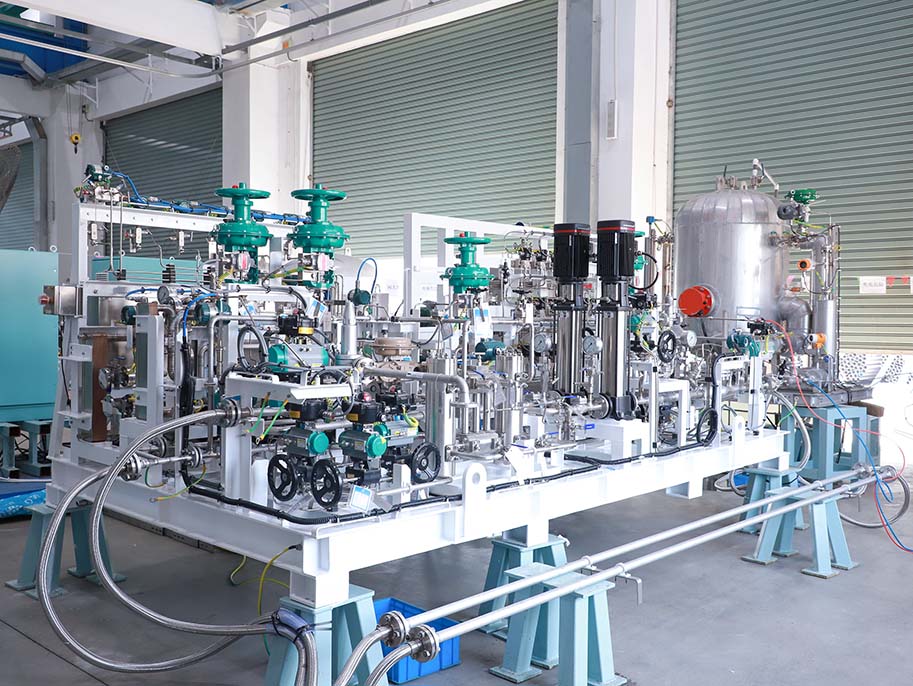
Methanol Fuel Delivery
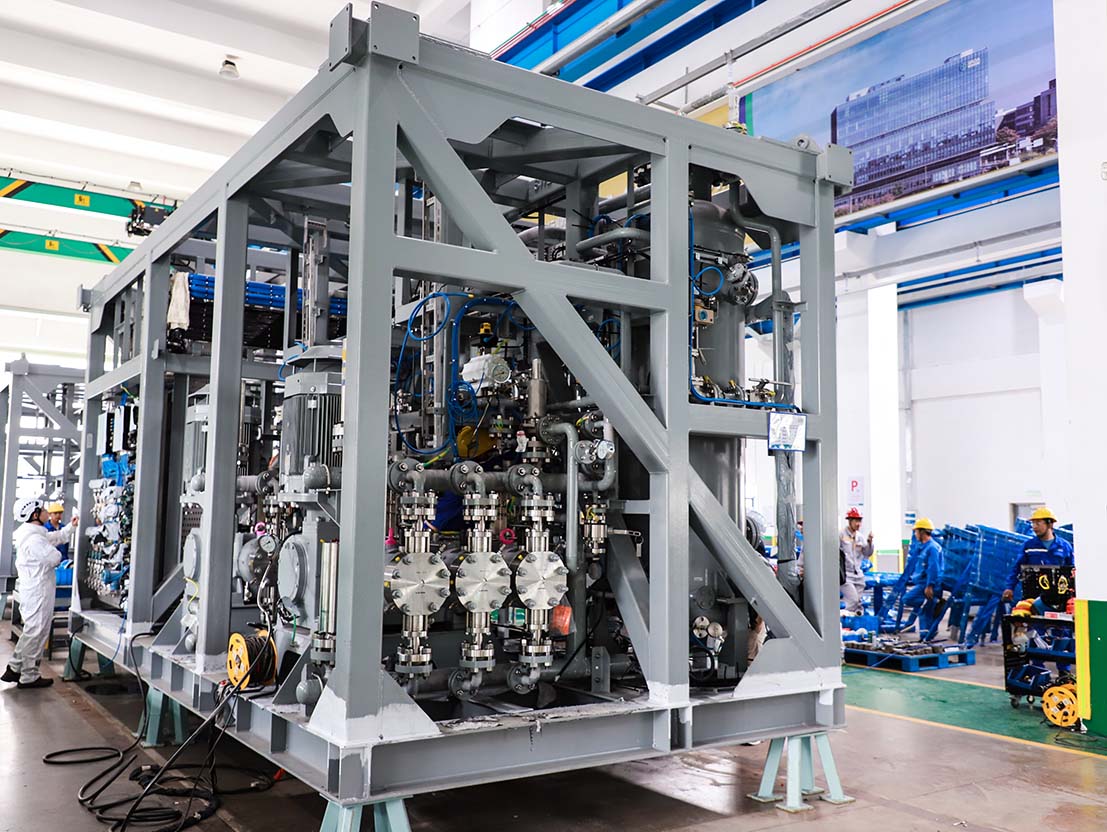
H8389
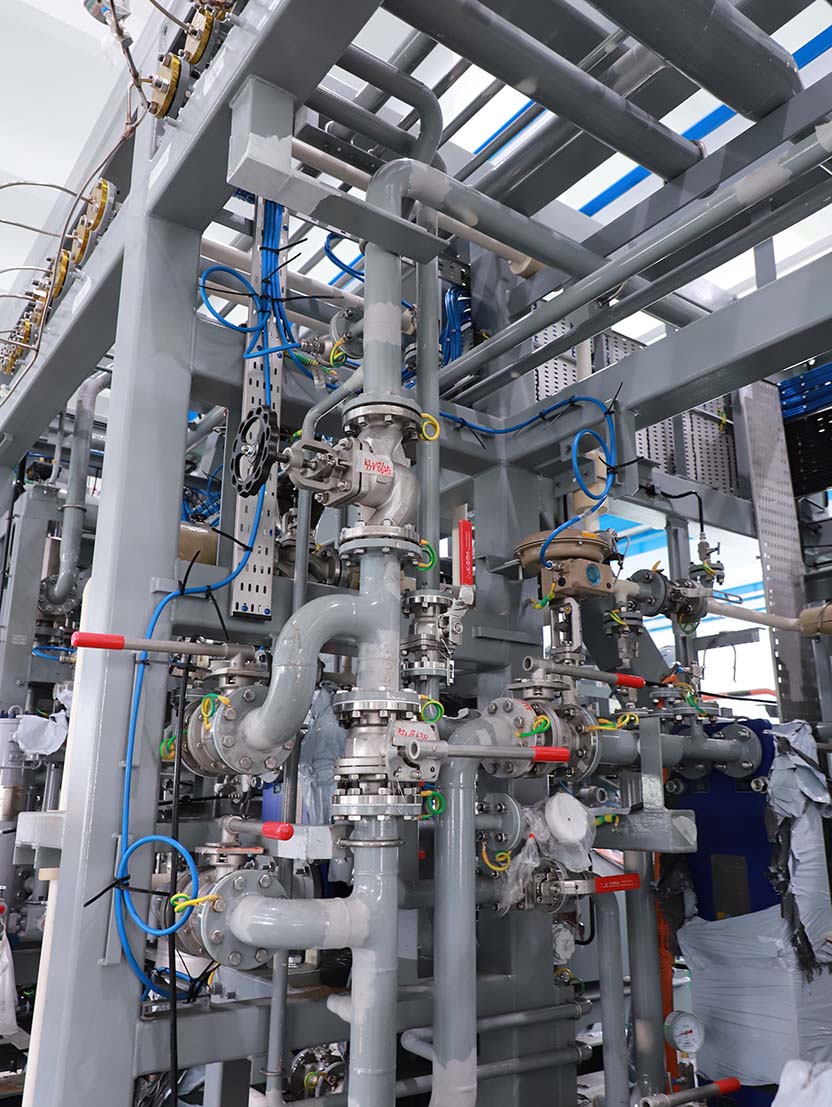
LPG High-Pressure Skid
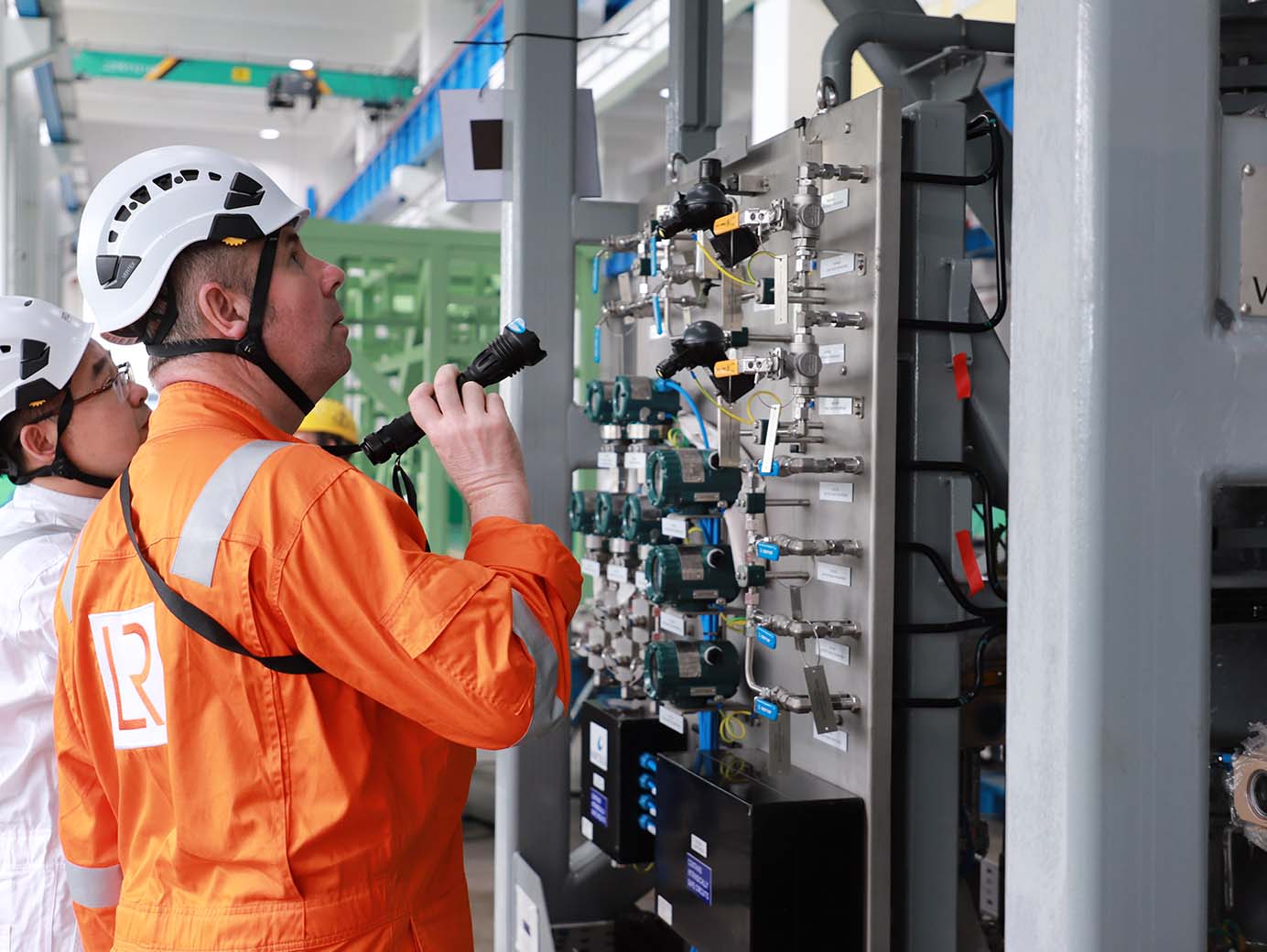
Ammonia Dual-Fuel System
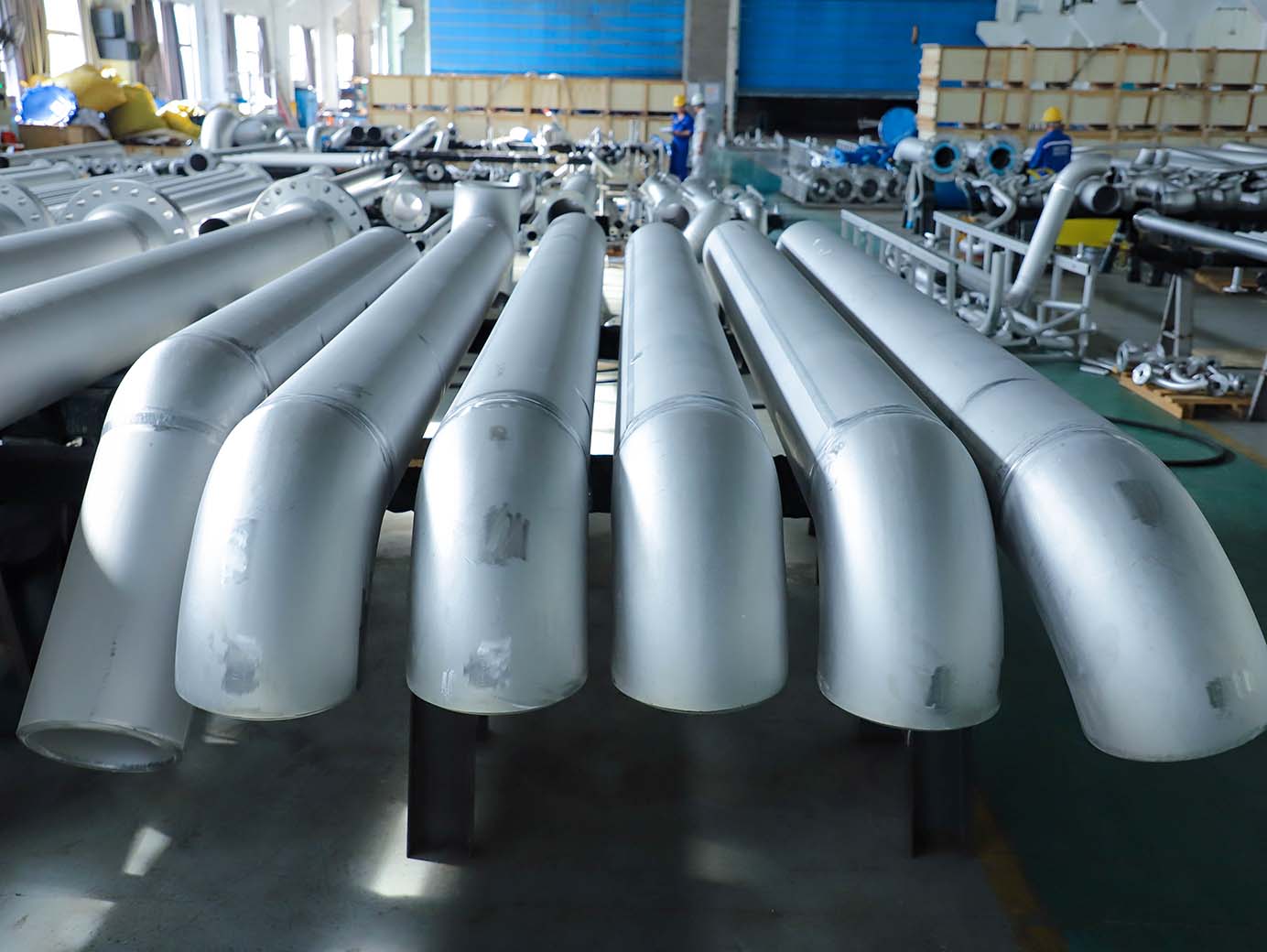
Turkey High-Pressure Prefabricated Piping