

EN
Get In Touch

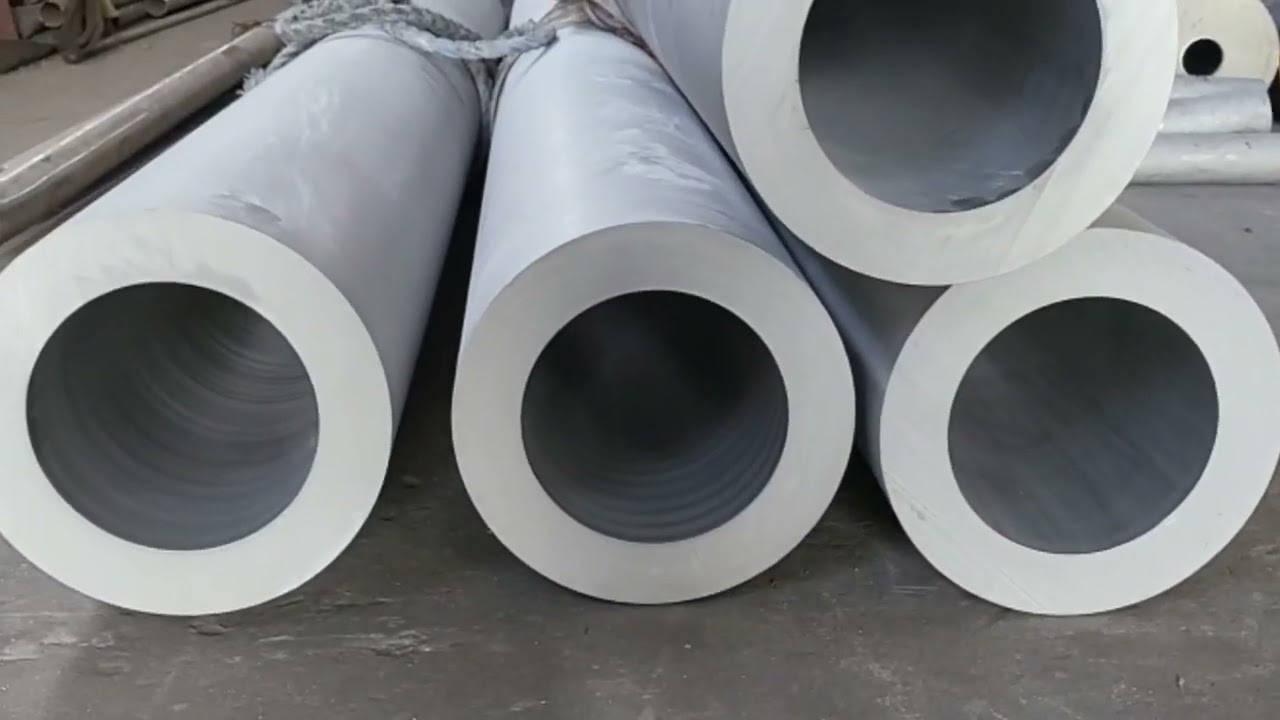
Super duplex steel pipes are high-performance stainless steel pipes designed to withstand aggressive corrosion environments, high mechanical loads, and demanding operating conditions. Combining an approximately balanced austenitic-ferritic microstructure with high chromium, molybdenum, and nitrogen contents, super duplex stainless steel offers excellent resistance to pitting corrosion, crevice corrosion, and stress corrosion cracking.
YADA Green Energy Solutions Co., Ltd. is an established marine and offshore engineering solutions provider founded in 1993. With more than 30 years of industry experience, YADA develops intelligent, low-carbon technologies and integrated piping systems for shipbuilding and offshore applications. The company provides integrated solutions for ultra-thick, ultra-high-pressure super duplex stainless steel pipes, piping components, prefabricated pipe spools, and skid units.
Supported by two intelligent manufacturing bases in Jiaxing, Zhejiang, and Nantong, Jiangsu, YADA combines engineering design, manufacturing, prefabrication, modularization, installation, and commissioning capabilities to serve demanding marine and offshore projects worldwide.
YADA's super duplex stainless steel pipe solutions are designed for applications requiring high mechanical strength, reliable corrosion resistance, and compliance with project-specific technical requirements.
The product range includes ASTM A790 super duplex stainless steel pipes in grades such as UNS S32750, UNS S32760, and UNS S32550. Available options can include seamless pipes, welded pipes, heavy-wall pipes, and high-pressure piping solutions, subject to project specifications and manufacturing capabilities.
Whether you are sourcing SAF 2507 super duplex stainless steel pipe for offshore pipelines or custom-engineered super duplex steel pipes for chemical processing equipment, selecting the correct material grade, dimensions, manufacturing method, and inspection requirements helps ensure reliable performance throughout the service life of the piping system.
Super duplex steel pipe is a type of duplex stainless steel pipe with higher alloying elements, particularly chromium, molybdenum, and nitrogen, providing improved corrosion resistance and mechanical strength compared with standard duplex and conventional austenitic stainless steels.
These pipes typically contain approximately equal proportions of ferrite and austenite in their microstructure. Their alloy composition provides high resistance to chloride-induced pitting corrosion, crevice corrosion, and chloride stress corrosion cracking.
Super duplex stainless steel pipes are commonly manufactured according to ASTM A790 and supplied in grades including UNS S32750, UNS S32760, and UNS S32550.
The main characteristics of super duplex steel pipe include:
Super duplex steel pipe is particularly suitable for applications where conventional stainless steel grades may not provide sufficient corrosion resistance or mechanical strength.
Founded in 1993, YADA Green Energy Solutions Co., Ltd. has spent more than three decades developing engineering and manufacturing solutions for the marine and offshore industries.
The company focuses on intelligent, low-carbon technologies and integrated systems for shipbuilding and offshore engineering. Its experience in piping system engineering, industrial fabrication, and large-scale project delivery supports the development of advanced piping solutions for demanding operating environments.
YADA combines material processing, piping engineering, component manufacturing, and project execution to address the requirements of shipbuilders, offshore contractors, engineering companies, and industrial project owners.
YADA operates two intelligent manufacturing bases in Jiaxing, Zhejiang Province, and Nantong, Jiangsu Province.
Together, these facilities provide a combined annual production capacity of more than 100,000 tons, supporting large-scale manufacturing and project-based supply requirements.
The Nantong manufacturing base is strategically located adjacent to a 10,000-DWT deep-water terminal. This location provides convenient access to marine transportation and supports the efficient delivery of industrial products and integrated solutions to international markets.
With substantial manufacturing infrastructure and coordinated production resources, YADA can support complex marine and offshore projects that require multiple piping products, fabricated components, and integrated assemblies.
| Company Strength | Capability |
|---|---|
| Established | Founded in 1993 |
| Industry Experience | 30+ years |
| Manufacturing Bases | 2 intelligent manufacturing bases |
| Locations | Jiaxing, Zhejiang and Nantong, Jiangsu |
| Workshop Area | 223,000 m² |
| Combined Annual Production Capacity | 100,000+ tons |
| Professional Employees | 1,300+ |
| Senior Experts | 150+ |
| Global Service Network | 120+ service hubs |
| Deep-Water Terminal | Adjacent to a 10,000-DWT terminal in Nantong |
These figures reflect YADA's overall corporate manufacturing and service capabilities rather than the production capacity of super duplex stainless steel pipes alone.
YADA has established a comprehensive service network centered on piping systems, providing support throughout the project lifecycle.
Its marine engineering services cover:
This integrated approach enables customers to coordinate piping design, fabrication, prefabrication, and installation through an experienced engineering and manufacturing partner.
For offshore engineering projects, YADA has strong fabrication capabilities for large modules and pipe rack units exceeding 1,000 metric tons.
These capabilities support projects involving complex piping arrangements, large structural assemblies, and integrated offshore equipment installations.
In addition to conventional piping products, YADA provides integrated solutions for:
By combining engineering design, manufacturing, prefabrication, and modularization, YADA helps customers coordinate piping systems with broader marine and offshore project requirements.
ASTM A790 is a standard specification covering seamless and welded ferritic/austenitic stainless steel pipe intended for general corrosive service.
It includes duplex and super duplex stainless steel grades designed for applications requiring a combination of corrosion resistance and mechanical strength.
ASTM A790 super duplex stainless steel pipe is widely specified in oil and gas pipelines, offshore platforms, chemical processing facilities, seawater systems, and industrial pressure piping.
Commonly specified super duplex grades include:
UNS S32750, commonly known as SAF 2507, is one of the most widely recognized super duplex stainless steel grades.
It contains approximately 25% chromium, 7% nickel, 4% molybdenum, and nitrogen additions. This alloy composition provides high mechanical strength and excellent resistance to localized corrosion.
Key characteristics include:
SAF 2507 super duplex stainless steel pipe is commonly used in subsea pipelines, offshore platforms, heat exchangers, desalination equipment, and chemical processing installations.
UNS S32760 is another super duplex grade designed for demanding corrosive environments.
In addition to chromium, molybdenum, and nitrogen, this grade contains tungsten and copper additions, which contribute to its corrosion resistance in selected service environments.
Its main characteristics include:
S32760 super duplex steel pipes are used in marine engineering, offshore oil and gas equipment, chemical processing systems, and seawater piping networks.
UNS S32550 is a super duplex stainless steel grade containing chromium, nickel, molybdenum, and copper.
It offers a combination of mechanical strength and corrosion resistance for industrial environments where conventional stainless steel may not provide sufficient performance.
Typical characteristics include:
When choosing between S32750, S32760, and S32550, buyers should compare the specified chemical composition, corrosion requirements, mechanical properties, manufacturing standards, and operating conditions rather than selecting a grade based on its name alone.
Super duplex stainless steel belongs to the duplex stainless steel family, which combines ferritic and austenitic phases.
Compared with conventional austenitic stainless steels, super duplex grades generally offer higher yield strength and better resistance to chloride-induced stress corrosion cracking.
Compared with standard duplex grades, super duplex stainless steels contain higher alloying levels, particularly chromium and molybdenum, providing improved resistance to pitting and crevice corrosion.
The following table provides a general material comparison.
| Material type | Microstructure | Mechanical strength | Corrosion resistance |
|---|---|---|---|
| Austenitic stainless steel | Primarily austenitic | Moderate | Good, depending on grade |
| Standard duplex grades | Ferritic-austenitic | High | Good to very good |
| Super duplex grades | Ferritic-austenitic | Very high | Excellent in many chloride environments |
Austenitic stainless steels, such as 304 and 316L, are widely used in general industrial applications. However, chloride-rich environments can cause localized corrosion and stress corrosion cracking.
Super duplex grades provide:
For applications involving high chloride concentrations, elevated mechanical loads, and aggressive operating conditions, super duplex stainless steel may offer a more suitable material solution.
Corrosion resistance is one of the main reasons engineers specify super duplex steel pipes for demanding industrial environments.
Their high chromium, molybdenum, and nitrogen contents support the formation of a protective passive film, helping the material resist corrosion in various chloride-containing environments.
Pitting corrosion is a localized form of corrosion that creates small holes or cavities on a metal surface.
It can occur when the passive layer breaks down in environments containing chlorides, particularly under elevated temperatures and aggressive chemical conditions.
Super duplex stainless steel provides high resistance to pitting corrosion because of its alloy composition.
A commonly used evaluation parameter is the Pitting Resistance Equivalent Number (PREN).
A typical formula for nitrogen-bearing stainless steel grades is:
PREN = %Cr + 3.3 × %Mo + 16 × %N
Some grade-specific formulas also account for tungsten.
The PREN value provides a useful method for comparing the theoretical pitting resistance of stainless steel alloys. However, it does not replace actual corrosion testing or evaluation under project-specific operating conditions.
Crevice corrosion can develop in narrow gaps, joints, deposits, and other shielded areas where stagnant liquid and concentrated chlorides accumulate.
Super duplex grades such as S32750 and S32760 offer improved resistance to crevice corrosion compared with many conventional stainless steels.
This makes them suitable for selected applications involving seawater pipelines, offshore structures, heat exchangers, and marine equipment.
Stress corrosion cracking occurs when tensile stress and a corrosive environment act together, resulting in cracks that can propagate through a metal component.
Chloride stress corrosion cracking is a known concern for conventional austenitic stainless steels, particularly under elevated temperatures.
The duplex microstructure of super duplex stainless steel provides improved resistance to chloride stress corrosion cracking.
However, resistance depends on the specific grade, temperature, chloride concentration, stress level, fabrication quality, and operating conditions.
Super duplex stainless steel pipes are selected not only for corrosion resistance but also for their high mechanical strength.
Their ferritic-austenitic microstructure provides a higher yield strength than many conventional austenitic stainless steels.
For example, UNS S32750 pipe supplied to applicable ASTM A790 requirements is commonly specified with a minimum yield strength of approximately 550 MPa. Actual acceptance requirements must be confirmed against the applicable grade, product form, specification edition, and order.
Important mechanical properties include:
High yield strength can allow engineers to consider reduced wall thickness in certain piping designs. However, final dimensions must be determined through applicable pressure design codes, corrosion allowances, temperature requirements, and mechanical calculations.
Super duplex steel pipes are used in high-pressure and elevated-temperature industrial systems, but their suitability must be evaluated against the actual service conditions.
A temperature of 250 C may be relevant to certain industrial applications, but it should not be treated as a universal continuous-service temperature limit for all super duplex grades.
At elevated temperatures, prolonged exposure can cause undesirable metallurgical phase formation, reducing toughness and corrosion resistance.
The allowable operating temperature and pressure depend on:
For high-pressure applications, engineers should verify the material's allowable stress, pressure rating, and temperature limitations using the relevant design standards and material documentation.
Heavy-wall super duplex steel pipes are designed for piping systems requiring greater wall thickness, enhanced structural capacity, or specific pressure design requirements.
They are used in demanding environments such as offshore oil and gas production, subsea pipelines, chemical processing plants, and industrial fluid transportation systems.
High-pressure super duplex piping can offer several advantages:
When purchasing heavy-wall super duplex pipes, buyers should confirm the outside diameter, nominal wall thickness, manufacturing tolerance, length, pipe-end preparation, dimensional inspection, and applicable testing requirements.
YADA's integrated engineering and fabrication capabilities also cover ultra-thick and ultra-high-pressure super duplex stainless steel piping solutions. These products can be coordinated with piping components, prefabricated spools, and skid units for marine and offshore project applications.
For project-based requirements, YADA can support the coordination of piping design, stress analysis, manufacturing, prefabrication, and modularization according to the agreed technical specifications.
A reliable pipe supplier should also be able to clarify whether the required product is available as seamless or welded pipe and provide supporting material documentation.
Super duplex stainless steel pipes can be manufactured using seamless or welded production processes.
The selection depends on pipe size, wall thickness, design requirements, manufacturing availability, and applicable project specifications.
Seamless pipes are manufactured without a longitudinal weld seam.
They are commonly selected for high-pressure services and applications where the project specification requires seamless construction.
Typical applications include:
Welded pipes are produced by forming stainless steel plate or strip into a tubular shape and joining the longitudinal seam through a qualified welding process.
They are available for a range of larger diameters and wall thickness requirements, depending on manufacturing capabilities.
Typical applications include:
For welded pipes, welding procedures, filler materials, heat input, interpass temperature, and post-weld inspection require careful control.
The final product should meet the applicable chemical, mechanical, dimensional, and nondestructive testing requirements.
Super duplex stainless steel requires appropriate manufacturing controls because its corrosion resistance and mechanical properties depend on both chemical composition and microstructure.
During production, the ferrite-austenite phase balance must be controlled to maintain the intended material performance.
Important manufacturing and inspection processes may include:
Chemical composition is checked to verify that chromium, nickel, molybdenum, nitrogen, and other alloying elements meet the specified grade requirements.
Solution annealing and rapid cooling are generally required to establish the desired microstructure and avoid harmful intermetallic phase precipitation.
The exact heat treatment requirements depend on the material grade and applicable product standard.
Pipe outside diameter, wall thickness, length, straightness, and other dimensional characteristics are inspected according to the purchase specification.
Mechanical tests may include tensile testing, hardness testing, and impact testing when required by the applicable standard or project specification.
Depending on the manufacturing route and applicable requirements, inspection may include:
Material Test Certificates should provide traceability to the relevant manufacturing heat or batch and document the applicable chemical and mechanical test results.
For project-based orders, inspection and testing requirements should be agreed upon before production.
Super duplex steel pipes are used in industries where corrosion resistance, mechanical strength, and dependable material performance are required.
Oil and gas facilities often handle fluids containing chlorides, hydrogen sulfide, carbon dioxide, and other corrosive substances.
Super duplex steel pipes are used in:
The selected grade must be evaluated against the actual production-fluid chemistry, temperature, pressure, and relevant sour-service requirements.
Chemical processing plants use super duplex pipes for transporting aggressive liquids, process chemicals, and corrosive industrial fluids.
Their corrosion resistance and mechanical strength make them suitable for selected applications involving chlorides and other corrosive compounds.
Marine environments expose piping systems to seawater, salt deposits, and chloride-containing conditions.
Super duplex stainless steel is commonly specified for:
YADA's experience in marine engineering and integrated piping systems supports the application of super duplex materials in complex shipbuilding and offshore projects.
Its engineering services cover piping design, stress analysis, optimization, component manufacturing, spool prefabrication, modularization, installation, and commissioning.
Desalination facilities handle seawater and concentrated brine, which can create demanding corrosion conditions.
Super duplex steel pipes are used in selected seawater intake, high-pressure process, and brine-handling applications, depending on the system design and material compatibility.
Super duplex pipes can also be used in industrial cooling systems, heat exchangers, water treatment equipment, and other installations requiring a combination of corrosion resistance and high strength.
Unlike suppliers focused solely on individual pipe products, YADA develops integrated piping system solutions for shipbuilding and offshore engineering projects.
Its services connect engineering design with component manufacturing, pipe spool prefabrication, modularization, installation, and commissioning.
This approach helps project owners, shipyards, and engineering contractors coordinate multiple stages of piping system delivery.
YADA's marine piping services cover the following stages:
Engineering and Design
Manufacturing and Prefabrication
Installation and Project Execution
Lifecycle Support
For offshore engineering, YADA provides fabrication solutions for large modules and pipe rack units exceeding 1,000 metric tons.
Its integrated product and service capabilities include ultra-thick super duplex stainless steel pipes, ultra-high-pressure piping components, prefabricated pipe spools, and skid units.
By combining these products with engineering and fabrication services, YADA supports offshore projects that require coordinated piping assemblies and large-scale modular equipment.
Choosing the right super duplex steel pipe supplier involves more than comparing prices and delivery times.
Buyers should evaluate material compliance, product availability, quality documentation, manufacturing capabilities, and technical support.
Consider the following factors when assessing a supplier.
1. Material Grade Availability
Confirm whether the supplier can provide the required grades, including S32750, S32760, and S32550, according to the applicable ASTM A790 requirements.
2. Manufacturing Capabilities
Check the availability of seamless pipes, welded pipes, heavy-wall products, and custom dimensions.
For large marine and offshore projects, it is also useful to assess the supplier's capabilities in component manufacturing, prefabrication, modularization, and integrated piping solutions.
3. Quality Certifications and Inspection
Request relevant quality management certificates, material test certificates, and inspection records.
For specific projects, clarify whether third-party inspection and additional nondestructive testing can be arranged.
4. Technical Documentation
A professional supplier should provide appropriate technical information, including chemical composition, mechanical properties, dimensional specifications, and applicable standards.
5. Project Delivery and Traceability
Confirm production lead times, packaging requirements, marking, material identification, and shipping arrangements.
Manufacturing location and access to marine transportation can also affect the delivery schedule for large-volume industrial projects.
6. Application-Based Recommendations
A knowledgeable supplier should understand the differences between duplex grades and super duplex grades and help buyers identify suitable materials based on operating pressure, temperature, corrosion conditions, and project requirements.
7. Engineering and Lifecycle Support
For integrated piping projects, evaluate whether the supplier can provide engineering design, stress analysis, prefabrication, installation, commissioning, and after-delivery support.
YADA's marine and offshore service network is structured around these full lifecycle requirements.
The following table summarizes common specifications used when purchasing super duplex stainless steel pipes.
| Specification | Description |
|---|---|
| Product | Super Duplex Stainless Steel Pipe |
| Main Standard | ASTM A790 |
| Common Grades | UNS S32750, UNS S32760, UNS S32550 |
| SAF 2507 Equivalent | UNS S32750 |
| Pipe Types | Seamless and Welded |
| Material Structure | Ferritic-Austenitic |
| Main Alloying Elements | Chromium, Nickel, Molybdenum, Nitrogen |
| PREN | Grade-dependent, commonly 40 or higher for super duplex grades |
| Yield Strength | Grade- and specification-dependent; approximately 550 MPa minimum for S32750 under common ASTM A790 requirements |
| Wall Thickness | Standard and Heavy-Wall, subject to availability |
| Applications | Oil and Gas, Chemical Processing, Offshore, Marine, Desalination |
| Inspection | According to applicable standards and purchase requirements |
Final specifications should be confirmed against the latest applicable ASTM standard, purchase order, and project engineering requirements.
YADA combines more than 30 years of marine and offshore industry experience with substantial manufacturing infrastructure, professional engineering resources, and an international service network.
Its business model connects piping products with engineering, fabrication, modularization, and project lifecycle services.
Key advantages include:
More Than 30 Years of Industry Experience
Founded in 1993, YADA has developed marine and offshore engineering solutions for more than three decades.
Large-Scale Manufacturing Infrastructure
Two intelligent manufacturing bases in Jiaxing and Nantong provide a combined annual production capacity exceeding 100,000 tons and a total workshop area of 223,000 m².
Experienced Professional Team
More than 1,300 professional employees and 150 senior experts support manufacturing, engineering, and project execution.
Integrated Piping System Capabilities
YADA provides services covering basic design, detailed engineering, stress analysis, optimization, component manufacturing, spool prefabrication, modularization, installation, and commissioning.
Large-Scale Offshore Fabrication
The company has fabrication capabilities for offshore modules and pipe rack units exceeding 1,000 metric tons.
Global Service Network
With more than 120 global service hubs, YADA has established an international support network for marine and offshore customers.
Strategic Manufacturing and Logistics Locations
The Nantong manufacturing base is adjacent to a 10,000-DWT deep-water terminal, supporting the transportation of industrial products and integrated solutions to international markets.
For customers seeking super duplex stainless steel piping solutions, YADA brings together material-related engineering, manufacturing resources, project integration, and lifecycle support for demanding marine and offshore applications.
Looking for a reliable super duplex steel pipe manufacturer or supplier?
Contact YADA Green Energy Solutions Co., Ltd. for super duplex stainless steel pipe and integrated piping system requirements, including ASTM A790 grades such as SAF 2507 (UNS S32750), S32760, and S32550.
YADA's engineering and manufacturing resources support project requirements involving ultra-thick and ultra-high-pressure super duplex piping, piping components, prefabricated spools, and skid units.
To receive an accurate quotation, please provide the following information:
For integrated marine and offshore projects, you can also provide piping drawings, engineering specifications, bill of materials, spool drawings, and modularization requirements.
YADA's team can review the project requirements and discuss suitable manufacturing, engineering, and supply solutions.
Contact YADA Green Energy Solutions Co., Ltd. to discuss your super duplex steel pipe and integrated piping system requirements.
Super duplex stainless steel pipe is a high-alloy stainless steel pipe with a ferritic-austenitic microstructure. It combines high mechanical strength with excellent resistance to pitting corrosion, crevice corrosion, and chloride stress corrosion cracking. It is commonly used in oil and gas, offshore, chemical processing, and marine applications.
ASTM A790 is a standard specification for seamless and welded ferritic/austenitic stainless steel pipe intended for general corrosive service. It covers duplex and super duplex grades used in industrial piping systems.
S32750 is the UNS material designation for SAF 2507 super duplex stainless steel. Both names refer to the same widely recognized super duplex grade, which offers high strength and excellent resistance to localized corrosion.
Common super duplex stainless steel grades include UNS S32750, UNS S32760, and UNS S32550. They are used in demanding environments requiring high mechanical strength and resistance to chloride-induced corrosion.
UNS S32750 pipe supplied under common ASTM A790 requirements has a specified minimum yield strength of approximately 550 MPa (80 ksi). The exact acceptance values should be verified against the applicable standard edition and purchase specification.
PREN stands for Pitting Resistance Equivalent Number. It is an empirical index used to compare the potential resistance of stainless steel grades to pitting corrosion.
A commonly used formula is:
PREN = %Cr + 3.3 × %Mo + 16 × %N
Super duplex stainless steel grades typically have PREN values of 40 or higher, although the exact value depends on the grade and chemical composition.
Yes. Super duplex stainless steel generally offers better resistance to chloride stress corrosion cracking than conventional austenitic stainless steels such as 304 and 316L. However, actual performance depends on temperature, chloride concentration, applied stress, and other environmental conditions.
Both materials have ferritic-austenitic microstructures. Super duplex grades generally contain higher levels of chromium, molybdenum, and nitrogen, resulting in higher PREN values and improved resistance to pitting and crevice corrosion compared with standard duplex grades.
Yes. Their high yield strength makes super duplex steel pipes suitable for many high-pressure applications, including offshore oil and gas systems and chemical processing pipelines. Pipe dimensions, wall thickness, temperature, and pressure ratings must be verified through the applicable engineering design code.
Suitability at 250 C depends on the material grade, exposure duration, operating environment, and applicable design requirements. Prolonged exposure to elevated temperatures can cause undesirable phase formation and reduce material toughness and corrosion resistance. A material specialist should review the intended operating conditions before selection.
Yes. Super duplex stainless steel pipes can be manufactured as seamless or welded products. The appropriate type depends on the required diameter, wall thickness, manufacturing availability, pressure design, and project specification.
Heavy-wall super duplex steel pipes can be supplied according to project requirements and manufacturing capabilities. Buyers should specify the outside diameter, wall thickness, material grade, pipe length, and applicable manufacturing standard when requesting a quotation.
SAF 2507 pipes are commonly used in offshore oil and gas production, subsea systems, seawater handling, desalination facilities, chemical processing plants, marine engineering, and industrial heat exchangers.
Evaluate the supplier's material grade availability, ASTM A790 compliance, manufacturing capabilities, quality documentation, testing procedures, traceability, and delivery performance. It is also important to confirm that the supplier can meet your project's dimensional and inspection requirements.
A quotation request should include the material grade, ASTM standard, outside diameter, wall thickness, pipe length, quantity, seamless or welded preference, inspection requirements, and delivery destination. Providing operating pressure and temperature can also help the supplier assess the application requirements.
YADA Green Energy Solutions Co., Ltd. is a marine and offshore engineering solutions company founded in 1993. With more than 30 years of industry experience, the company develops intelligent, low-carbon technologies and integrated systems for shipbuilding and offshore applications. Its capabilities include piping engineering, component manufacturing, pipe spool prefabrication, modularization, offshore fabrication, installation, commissioning, and lifecycle support.
YADA operates two intelligent manufacturing bases in Jiaxing, Zhejiang Province, and Nantong, Jiangsu Province, China. The facilities have a combined annual production capacity of more than 100,000 tons and a total workshop area of 223,000 m². The Nantong base is adjacent to a 10,000-DWT deep-water terminal.
YADA's two manufacturing bases have a combined annual production capacity exceeding 100,000 tons. This figure represents the company's overall manufacturing capacity across its product and solution portfolio, not the production capacity of super duplex stainless steel pipes alone.
Yes. YADA provides marine and offshore piping system services covering basic design, detailed engineering, stress analysis, optimization design, component manufacturing, pipe spool prefabrication, modularization, installation, commissioning, condition monitoring, and global lifecycle support.
Yes. YADA has the capability to fabricate large offshore modules and pipe rack units exceeding 1,000 metric tons. The company also provides integrated solutions involving ultra-thick and ultra-high-pressure super duplex piping, piping components, prefabricated spools, and skid units.
YADA has more than 1,300 professional employees, over 150 senior experts, and more than 120 global service hubs. These resources support its marine and offshore engineering, manufacturing, project execution, and lifecycle service activities.