


logo logo
  • Company
    Brand Advantages
    Manufacturing Advantages
    Innovation
    CNAS‑accredited Quality Testing Lab
    Digital Transformation
    Yada Culture
    Social Responsibility
  • Solutions
    System Solutions
    Dual Fuel Supply System
    Cargo Handling System
    Double Wall Pipe Solutions
    Skid Unit Solutions
    One-Stop Turnkey Solutions
    One-Stop Marine Solutions
    LNG Carrier Chemical Carrier Dual Fuel Container
    One-Stop Offshore Solutions
    Zero Inventory Solutions
    Cases
  • Products
    • Steel Pipe

      Steel Pipe

    • Pipe Fittings

      Pipe Fittings

    • Valve Unit

      Valve Unit

    • Prefabricated Pipe spools

      Prefabricated Pipe spools

    • Double Wall Pipes

      Double Wall Pipes

    • Heating Coils

      Heating Coils

    • Pump Towers

      Pump Towers

    • Marine Outfitting

      Marine Outfitting

    • Pressure Vessels

      Pressure Vessels

    • Skid Unit

      Skid Unit

    • Pipe Supports & Saddles

      Pipe Supports & Saddles

    • Channel Walls & Pipe Racks

      Channel Walls & Pipe Racks

  • Global Service
  • Insights
    Hot Topics
    Media Reports
    Blog
    Knowledge
  • Contact Us
EN 
Get In Touch
  • Company
    Brand Advantages
    Manufacturing Advantages Innovation CNAS‑accredited Quality Testing Lab Digital Transformation
    Yada Culture
    Social Responsibility
  • Solutions
    System Solutions
    Dual Fuel Supply System Cargo Handling System Double Wall Pipe Solutions Skid Unit Solutions
    One-Stop Turnkey Solutions
    One-Stop Marine Solutions One-Stop Offshore Solutions
    Zero Inventory Solutions
    Cases
  • Products
  • Global Service
  • Insights
    Hot Topics
    Media Reports
    Blog
    Knowledge
  • Contact Us
Knowledge
insights
Insights
Hot Topics Media Reports Blog Knowledge

What is Dual Fuel Supply System?

Author: Time: 2025.06.20

As the marine industry continues to seek cleaner and more efficient alternatives to traditional fuels, the dual fuel supply system has emerged as a cutting-edge solution. Designed to accommodate multiple fuel types—typically natural gas alongside conventional diesel fuel—this system allows vessels and diesel engines to operate with greater flexibility, improved efficiency, and reduced environmental impact.

This blog explores what a dual fuel supply system is, how it works, and its vital role in the transformation of modern marine propulsion technologies.


Understanding Dual Fuel Supply System

A dual fuel supply system is an advanced fuel system that enables an engine—commonly a dual fuel engine—to run on two types of fuel. These systems are primarily used in diesel engines modified or built to burn both natural gas and diesel, either simultaneously or independently.

In the marine sector, this system is particularly valuable for meeting international emissions regulations while maintaining operational performance across long distances.
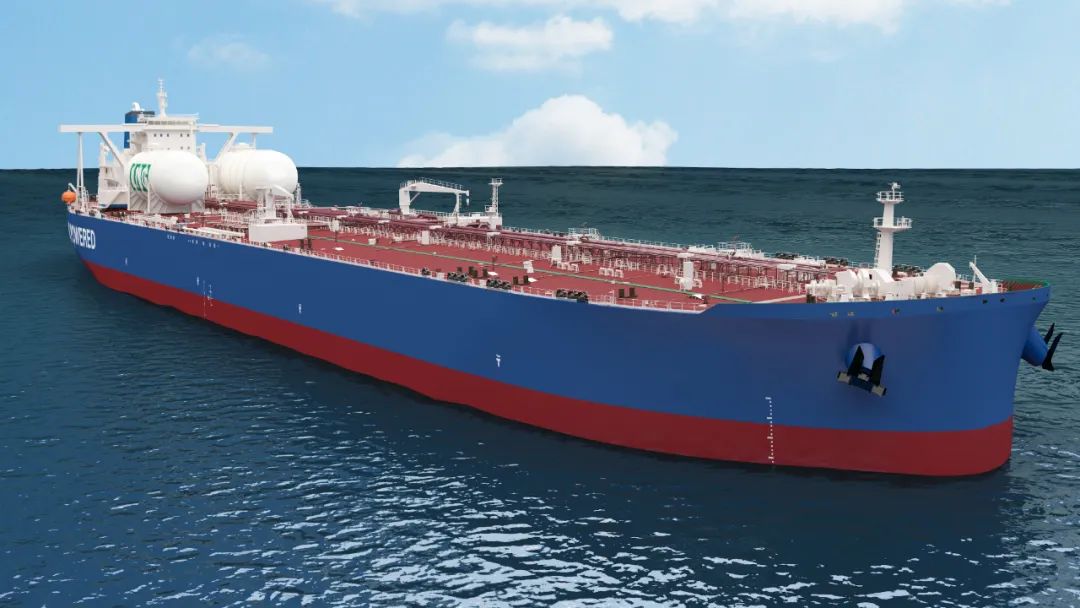

ships with dual fuel supply system


How Does Dual Fuel Supply System Work?

Dual fuel engines are typically compression-ignition engines that use diesel fuel as a pilot ignition source while the main energy comes from an alternative fuel like LNG (liquefied natural gas), methanol, ammonia, or even hydrogen.

The electronic controls within the system manage fuel injection timing, pressure, and fuel mixture ratios, ensuring optimal engine performance whether the engine is operating in dual-fuel mode or in diesel-only mode.


Types of Dual Fuel Systems in Marine Applications

1. LNG Dual-Fuel Systems

  • LNG is currently the most mature and widely used alternative fuel in marine applications.
  • LNG dual-fuel systems are used in vessels like LNG dual-fuel PCTC (Pure Car and Truck Carriers), offering lower CO₂ emissions, reduced sulfur content, and high energy efficiency.

2. Methanol Dual-Fuel Systems

  • Growing in popularity for new builds and retrofits, methanol dual-fuel container ships and methanol dual-fuel transformation ships are being introduced as low-emission options.
  • Methanol is easy to store and handle, and it can be produced from renewable sources.

3. Ammonia and Hydrogen Dual-Fuel Systems

  • While still emerging, dual fuel systems designed to use ammonia or hydrogen are viewed as promising zero-carbon solutions.
  • These fuels pose challenges in terms of storage and handling, but technological advancements are rapidly improving their feasibility.


Advantages of Dual Fuel Supply Systems

  • Fuel Flexibility: Engines can switch between natural gas and diesel, adapting to fuel availability and cost.
  • Lower Emissions: Using alternative fuels significantly reduces NOx, SOx, and CO₂ emissions.
  • Improved Engine Performance: Advanced electronic controls optimize combustion for both fuels.
  • Regulatory Compliance: Helps ships meet IMO Tier III and ECA (Emission Control Area) requirements.
  • Operational Resilience: In the event of LNG or alternative fuel supply issues, the vessel can continue operating on diesel.


Applications in the Marine Industry

The adoption of dual fuel supply systems is accelerating across the marine sector:

  • LNG dual-fuel PCTCs are transporting vehicles globally while meeting environmental targets.
  • Methanol dual-fuel container ships are entering service to provide cleaner global shipping solutions.
  • Methanol dual-fuel transformation ships represent a cost-effective approach for existing fleets to transition to low-carbon operations without full engine replacement.


Conclusion

The dual fuel supply system is reshaping the future of marine propulsion. By enabling vessels to burn cleaner fuels like natural gas, LNG, methanol, ammonia, and hydrogen alongside conventional diesel fuel, this technology balances environmental responsibility with operational efficiency.

With the marine industry under increasing pressure to decarbonize, dual fuel engines and their sophisticated fuel systems—governed by smart electronic controls—are playing a central role in this transition. Whether it's through LNG dual-fuel PCTC ships or methanol dual-fuel container ships, the shift toward dual fuel is not just a trend—it's the future of sustainable marine transportation.

Pre: What is a Skid Unit? Next: What is FPSO Solution?
Leader in Integrated Green Marine & Offshore Piping Solutions
menu
  • Company
  • Solutions
  • Products
  • Global Service
  • Insights
  • Contact Us

Sales Tel: +86 137 3827 4643

Tel: +86 573 8312 7999
Tel: +86 188 5831 5643
Address: No. 525, Xinda Road, Xinfeng Town, Nanhu District, Jiaxing City, Zhejiang Province, China
Email: [email protected]
Follow:   

©2026 Yada Green Energy Solutions Co., Ltd., All right reserved. Privacy Policy

SITE BY   wigor