

EN
Get In Touch

In the maritime and industrial sectors, the liquid cargo system plays a vital role in ensuring the safe and efficient transport of liquid materials. Whether dealing with food-grade substances like vegetable oil or hazardous chemicals, a well-designed liquid cargo system is essential for maintaining product integrity and meeting international safety standards. This blog explores what a liquid cargo system is, its core components, applications, and why it is a cost-effective solution for various industries.
A liquid cargo system refers to an integrated network of equipment and infrastructure used for the loading and unloading, transport, and storage of liquid substances. These systems are commonly found on chemical ships, oil tankers, and other marine vessels, as well as in shore-based terminals and storage facilities. Their primary function is to handle liquid cargo in a controlled and safe manner.
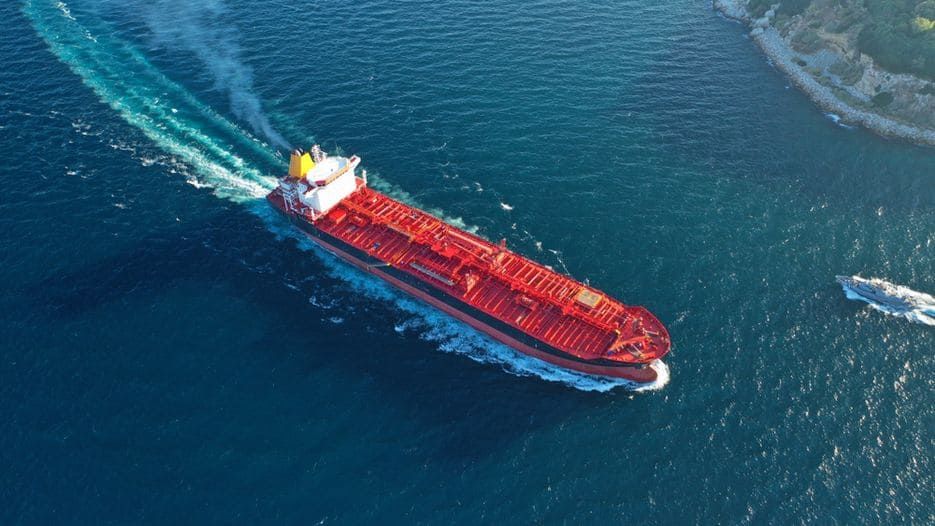
The heart of any liquid cargo system, storage tanks are designed to hold various types of liquids, including food-grade products and chemicals. Tanks must be corrosion-resistant, properly ventilated, and sometimes heated or insulated depending on the type of cargo.
Pumps facilitate the movement of liquids into and out of storage tanks. Pipelines must be compatible with the liquid being handled to prevent contamination or damage.
Valves regulate the flow of liquids, while control systems manage pressure, temperature, and volume to ensure smooth operations.
For hazardous chemicals, safety systems include emergency shut-off valves, gas detectors, and containment measures to prevent leaks and spills.
Especially important for food-grade cargoes like vegetable oil, cleaning systems ensure that tanks and pipelines are sanitized to prevent contamination between different cargoes.
Liquid cargo systems are widely used for transporting food-grade liquids such as vegetable oil, juices, and syrups in a hygienic and contamination-free environment.
These systems are essential for the secure handling of hazardous chemicals, solvents, and acids, often requiring specialized materials and rigorous safety standards.
On chemical ships, integrated liquid cargo system solutions allow for the simultaneous handling of multiple types of cargo, improving efficiency and reducing operational costs.
By enabling bulk transport and storage, a liquid cargo system reduces handling time, manpower, and potential product loss, making it a cost-effective solution for many businesses.
Modern systems are designed to handle a wide range of liquids—from corrosive chemicals to edible oils—without requiring major modifications.
Meeting international regulations for liquid cargo handling, especially in the marine and chemical industries, helps prevent environmental damage and ensures crew safety.
Advanced liquid cargo systems are optimized for fast loading and unloading, reducing port time and maximizing fleet utilization.
For chemical ships, integrated solutions combine all elements of the liquid cargo system into a cohesive unit. This includes advanced automation, real-time monitoring, and adaptive control systems to enhance safety, reduce manual intervention, and optimize performance.
A liquid cargo system is an indispensable part of today’s logistics and marine industries, enabling the safe, efficient, and cost-effective handling of a wide range of liquids—from food-grade oils to hazardous chemicals. Whether onshore or onboard chemical ships, these systems are engineered to meet high standards of safety, hygiene, and operational excellence. For businesses looking to improve their liquid handling capabilities, investing in a reliable liquid cargo system is a strategic move toward enhanced productivity and regulatory compliance.