


logo logo
  • Company
    Brand Advantages
    Manufacturing Advantages
    Innovation
    CNAS‑accredited Quality Testing Lab
    Digital Transformation
    Yada Culture
    Social Responsibility
  • Solutions
    System Solutions
    Dual Fuel Supply System
    Cargo Handling System
    Double Wall Pipe Solutions
    Skid Unit Solutions
    One-Stop Turnkey Solutions
    One-Stop Marine Solutions
    LNG Carrier Chemical Carrier Dual Fuel Container
    One-Stop Offshore Solutions
    Zero Inventory Solutions
    Cases
  • Products
    • Steel Pipe

      Steel Pipe

    • Pipe Fittings

      Pipe Fittings

    • Valve Unit

      Valve Unit

    • Prefabricated Pipe spools

      Prefabricated Pipe spools

    • Double Wall Pipes

      Double Wall Pipes

    • Heating Coils

      Heating Coils

    • Pump Towers

      Pump Towers

    • Marine Outfitting

      Marine Outfitting

    • Pressure Vessels

      Pressure Vessels

    • Skid Unit

      Skid Unit

    • Pipe Supports & Saddles

      Pipe Supports & Saddles

    • Channel Walls & Pipe Racks

      Channel Walls & Pipe Racks

  • Global Service
  • Insights
    Hot Topics
    Media Reports
    Blog
    Knowledge
  • Contact Us
EN 
Get In Touch
  • Company
    Brand Advantages
    Manufacturing Advantages Innovation CNAS‑accredited Quality Testing Lab Digital Transformation
    Yada Culture
    Social Responsibility
  • Solutions
    System Solutions
    Dual Fuel Supply System Cargo Handling System Double Wall Pipe Solutions Skid Unit Solutions
    One-Stop Turnkey Solutions
    One-Stop Marine Solutions One-Stop Offshore Solutions
    Zero Inventory Solutions
    Cases
  • Products
  • Global Service
  • Insights
    Hot Topics
    Media Reports
    Blog
    Knowledge
  • Contact Us
Knowledge
insights
Insights
Hot Topics Media Reports Blog Knowledge

What is a Gas Supply System for Gas Carriers?

Author: Time: 2025.06.24

The maritime industry is steadily transitioning toward cleaner, more efficient energy sources. Natural gas, particularly in the form of LNG (liquefied natural gas), has become a popular alternative to traditional marine fuels due to its lower emissions and cost-effectiveness. As LNG becomes increasingly important in marine propulsion, especially on gas carriers, the technology that enables its use — namely the fuel gas supply system (FGSS system) — plays a critical role.


Understanding the Fuel Gas Supply System (FGSS)

A Fuel Gas Supply System (FGSS) is a vital onboard infrastructure that supplies natural gas to the ship’s engines. This system ensures that LNG stored in cryogenic tanks is properly conditioned — vaporized, pressurized, and regulated — before being delivered to the engine, whether it’s a dual fuel engine or one fully dependent on natural gas.

The FGSS system includes a wide range of components and subsystems, including:

  • LNG storage tanks
  • LNG pumps
  • Vaporizers
  • Heat exchangers
  • Gas heaters
  • Control and safety valves
  • BOG (Boil-Off Gas) handling units
  • High-pressure gas delivery systems

Each component must be designed to handle high pressure, extreme cold, and comply with strict safety standards.


Why Gas Carriers Need a Specialized FGSS

Gas carriers are specialized ships designed to transport liquefied gases like LNG or LPG. These vessels typically use a portion of the cargo as fuel, which requires a robust and highly controlled fuel gas supply system. Because of the volatility and cryogenic nature of LNG, gas carriers must have systems that:

  • Store the fuel at ultra-low temperatures (-162°C)
  • Vaporize the LNG into gaseous form
  • Pressurize the gas for engine injection
  • Safely manage and utilize BOG (Boil-Off Gas), the vaporized portion of LNG that naturally occurs as the liquid warms

These requirements make the FGSS on gas carriers significantly more complex than on conventional ships.
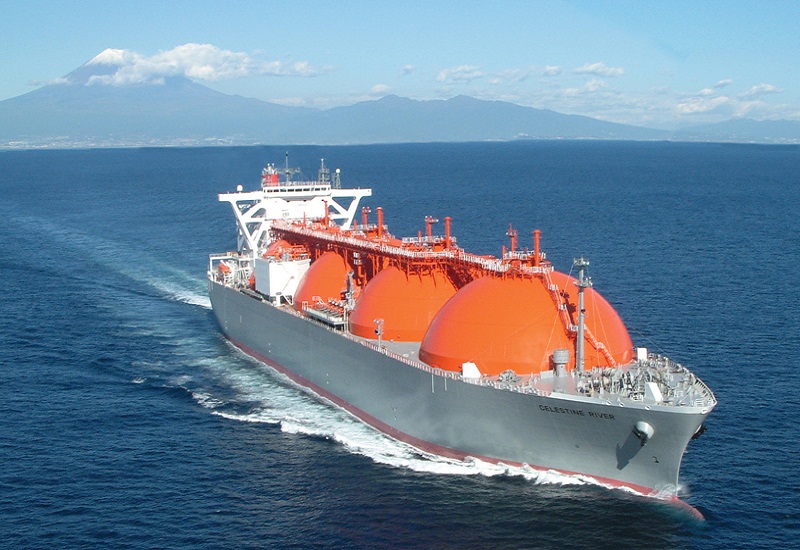


Gas Supply System for Gas Carriers


Key Components and Operations

1. LNG Fuel Storage Tank

At the heart of the system is the cryogenic LNG storage tank, typically constructed with insulation and double-walled designs to maintain LNG in liquid form. These tanks are located within the hull and are subject to rigorous safety measures.

2. Vaporization and Heating

To supply fuel to engines, the LNG must be vaporized. The system uses vaporizers and gas heaters to convert the liquid into a gaseous state. Depending on the engine type, the gas may need to be supplied at high pressure, especially in low-speed dual-fuel engines.

3. Dual Fuel Engine Integration

Dual fuel engines can run on either natural gas or marine diesel. The FGSS must integrate seamlessly with these engines, automatically switching fuel types when necessary and maintaining consistent delivery pressure.

4. BOG Handling

As LNG slowly warms, it begins to evaporate, creating boil-off gas (BOG). An efficient FGSS incorporates BOG handling units to capture and use this gas as engine fuel, preventing pressure buildup in the tanks and reducing fuel wastage.


Advantages of FGSS on Gas Carriers

Implementing an advanced fuel gas supply system offers several key benefits:

  • Environmental Compliance: Reduces SOx, NOx, and CO₂ emissions, meeting IMO Tier III and ECA regulations.
  • Fuel Efficiency: Enables the use of LNG fuel gas, which is often more cost-effective than conventional fuels.
  • Safety: Engineered with multiple safety redundancies to handle high-pressure and cryogenic conditions.
  • Operational Flexibility: Supports dual fuel operation, providing backup in case one fuel source is unavailable.


Conclusion

The fuel gas supply system is a cornerstone technology for gas carriers operating with LNG fuel gas. Designed to manage natural gas in its cryogenic and gaseous forms, the FGSS system ensures safe, efficient, and environmentally compliant engine operation. From handling BOG to supplying high-pressure gas for dual-fuel engines, these systems are critical to the future of clean maritime propulsion. As the industry continues its shift towards LNG, advanced gas supply systems will become even more integral to modern ship design and operation.

Pre: How to Choose the Best Stainless Steel Pipe Fitting Manufacturers? Next: What is a Skid Unit?
Leader in Integrated Green Marine & Offshore Piping Solutions
menu
  • Company
  • Solutions
  • Products
  • Global Service
  • Insights
  • Contact Us

Sales Tel: +86 137 3827 4643

Tel: +86 573 8312 7999
Tel: +86 188 5831 5643
Address: No. 525, Xinda Road, Xinfeng Town, Nanhu District, Jiaxing City, Zhejiang Province, China
Email: [email protected]
Follow:   

©2026 Yada Green Energy Solutions Co., Ltd., All right reserved. Privacy Policy

SITE BY   wigor